
.jpeg)
Analysis of the safety and potential risks of long-term use of giritinib (segatan)
Gilitinib is an oral FLT3 inhibitor, mainly used to treat patients with FLT3 mutation-positive relapsed or refractory acute myeloid leukemia (AML). As a targeted drug, giritinib can inhibit the abnormal FLT3 signaling pathway, thereby slowing down leukemia cell proliferation and promoting cell apoptosis. In clinical practice, giritinib is often used for long-term maintenance treatment to delay recurrence and improve patient survival.
Long-term use of giritinib is generally safe, but there are still potential risks. Common adverse reactions include gastrointestinal reactions (such as nausea, vomiting, diarrhea), hematological abnormalities (such as neutropenia, thrombocytopenia), and increased liver function indicators. Most adverse reactions are mild to moderate and can be alleviated by dose adjustment, symptomatic treatment, or temporary discontinuation of the drug. Patients need to regularly monitor blood routine, liver and kidney function, electrocardiogram and other indicators during long-term use to ensure safety.
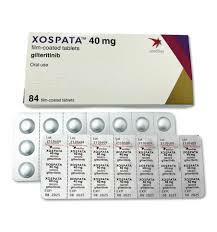
Long-term use of giritinib also requires attention to cardiovascular risks and drug interactions. Some patients may develop QT interval prolongation, arrhythmia and other heart-related problems. Therefore, patients with underlying cardiovascular diseases need to closely monitor their cardiac function under the guidance of a doctor. In addition, giritinib is metabolized by CYP3A4. If it is used together with a strong CYP3A4 inhibitor or inducer, it may affect the plasma concentration, and the dose needs to be adjusted or combined use must be avoided.
In general, giritinib is suitable for long-term maintenance treatment of patients with FLT3 mutationsAML, but it requires individualized management under the guidance of professional doctors. Patients should follow up and monitor various biochemical and blood indicators regularly, deal with adverse reactions in a timely manner, and pay attention to drug interactions to maximize efficacy and reduce potential risks. The safety of long-term medication is good, but scientific management and standardized monitoring are required.
Reference materials:https://www.drugs.com/
[ 免责声明 ] 本页面内容来自公开渠道(如FDA官网、Drugs官网、原研药厂官网等),仅供持有医疗专业资质的人员用于医学药学研究参考,不构成任何治疗建议或药品推荐。所涉药品可能未在中国大陆获批上市,不适用于中国境内销售和使用。如需治疗,请咨询正规医疗机构。本站不提供药品销售或代购服务。


