
.jpeg)
The use of Midostaurin in special groups such as the elderly or patients with abnormal liver and kidney function
Midostaurin is an oral multi-target tyrosine kinase inhibitor, mainly used to treat patients with FLT3 mutation-positive acute myeloid leukemia (AML) and systemic mastocytosis (SM). There are sufficient clinical data to support the efficacy and tolerability of midostaurin in general adult patients. However, in special populations such as elderly patients or patients with abnormal liver and renal function, drug metabolism, tolerance, and risk of adverse reactions may be different and require individualized evaluation and cautious use.
For elderly patients, the pharmacokinetics of midostaurin are generally similar to those in young adults. However, because the elderly are often accompanied by multiple underlying diseases and concomitant medications, drug interactions and tolerability require special attention. Clinical studies have shown that elderly patients may be more susceptible to gastrointestinal adverse reactions, hematological toxicity and fatigue symptoms during treatment with midostaurin. Therefore, when doctors use drugs in elderly patients, they usually strictly monitor blood routine, liver and kidney function, and adverse reactions in the early stage, and appropriately adjust the dosage or extend the dosage interval based on tolerance.
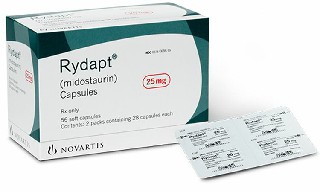
For patients with abnormal liver function, midostaurin is mainly metabolized by the liver, and liver damage may lead to an increase in blood drug concentration, thus increasing the risk of adverse reactions. According to clinical recommendations, patients with mild liver function impairment can use it at conventional doses, but liver function indicators need to be closely monitored; patients with moderate to severe liver function abnormalities need to use it with caution or consider reducing the dose by half, and regularly review liver function during treatment to prevent drug accumulation and liver toxicity.
Patients with abnormal renal function usually have relatively little impact on the plasma concentration of midostaurin, but patients with chronic kidney disease or dialysis still need to pay attention to fluid balance, electrolytes, and renal metabolism of accompanying drugs. Clinically, patients with mild to moderate impairment of renal function can take it at regular doses and undergo regular monitoring; patients with severe renal impairment or dialysis should use it with caution and evaluate the risks and efficacy under the guidance of a professional doctor. In general, midostaurin can be used in special groups, but individualized dose adjustment, strict monitoring and comprehensive management are required to ensure the safety and efficacy of treatment.
Reference materials:https://www.drugs.com/
[ 免责声明 ] 本页面内容来自公开渠道(如FDA官网、Drugs官网、原研药厂官网等),仅供持有医疗专业资质的人员用于医学药学研究参考,不构成任何治疗建议或药品推荐。所涉药品可能未在中国大陆获批上市,不适用于中国境内销售和使用。如需治疗,请咨询正规医疗机构。本站不提供药品销售或代购服务。


