
.jpeg)
Analysis of common side effects and possible health hazards of Mecobalamin
Mecobalamin (Mecobalamin) is an active vitamin B12 derivative, widely used to treat neurological diseases, peripheral neuropathy and some types of anemia related to vitamin B12 deficiency. Its main function is to participate in the synthesis and repair of nerve myelin, promote red blood cell production, and maintain the metabolism of nucleic acids and proteins. It plays an important role in improving nerve damage and blood system health. However, although methylcobalamin is generally safe, long-term or improper use may still cause certain side effects and health risks, which requires attention.
Common side effects include mild digestive discomfort, such as nausea, vomiting, diarrhea, or bloating. In some patients, symptoms such as mouth sores, red tongue, or dry mouth may occur while taking methylcobalamin. These symptoms are usually mild and are usually relieved after stopping the drug or adjusting the dosage. However, if they persist for a long time, they may affect the patient's diet and nutritional intake, thereby having a certain impact on the overall health. In addition, a small number of patients may experience rash, itching, or mild allergic reactions, suggesting the need to evaluate drug tolerance.
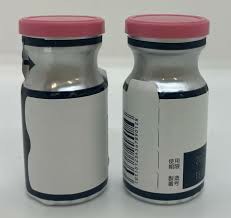
Another area of concern is that methylcobalamin may trigger mild neurological reactions such as headaches, dizziness, insomnia, or mood swings. Although these symptoms are usually mild short-term reactions, they may increase discomfort or risk of drug interactions in patients with more sensitive nervous systems, especially those with comorbid psychiatric disorders or long-term use of other central nervous system drugs. In addition, in rare cases, long-term use of large doses of methylcobalamin may lead to abnormalities in hematological indicators, such as erythrocytosis or mild fluctuations in blood pressure, which requires regular monitoring of routine blood and cardiovascular indicators.
Overall, the incidence of side effects of methylcobalamin is low, and most of them are mild to moderate and reversible. However, long-term or high-dose use still requires caution. Proper health assessment, following doctor's prescribed dosage, regular monitoring of hematology and liver and kidney function, and paying attention to allergic or neurological reactions are the keys to ensuring the safe use of methylcobalamin. For special groups, such as elderly patients, patients with abnormal liver and kidney function, or patients receiving multiple drug treatments, they need to be used under the guidance of a doctor, and the dosage should be adjusted or discontinued at any time. Scientific and standardized use can not only bring out the therapeutic effects of methylcobalamin, but also minimize potential health hazards and ensure long-term safety and therapeutic effects.
Reference materials:https://www.drugs.com/
[ 免责声明 ] 本页面内容来自公开渠道(如FDA官网、Drugs官网、原研药厂官网等),仅供持有医疗专业资质的人员用于医学药学研究参考,不构成任何治疗建议或药品推荐。所涉药品可能未在中国大陆获批上市,不适用于中国境内销售和使用。如需治疗,请咨询正规医疗机构。本站不提供药品销售或代购服务。


