
.jpeg)
Acotinib combined with lenalidomide and rituximab is safe and effective in treatment of untreated follicular lymphoma
First-line acalabrutinib combined with lenalidomide and rituximab is safe and effective in patients with advanced high-tumor-burden follicular lymphoma (non-Hodgkin lymphoma), according to published data from a phase 2 study (NCT04404088). At a median follow-up of 43 months (95% CI, 41-47), patients (n=24) who received triple therapy achieved a best complete response (CR) rate of 92% (95% CI, 73%-99%) after 6 cycles of treatment; this number increased from 62.5% after 3 cycles. The best CR rate per CT was 83% (95% CI, 65%-93%).
The median progression-free survival (PFS) (NR) was not reached; the 2- and 3-year progression-free survival rates were 79% (95% CI, 65%-97%) and 62% (95% CI, 45%-85%), respectively. The median overall survival (OS) was also NR, and the 2-year and 3-year OS rates were 92% (95% CI, 81%-100%) and 87% (95% CI, 75%-100%) respectively. The results of this phase 2 study show that the addition of cotinib to lenalidomide and rituximab is a safe and effective first-line non-chemotherapy regimen for patients with follicular lymphoma with treatment indications, resulting in high early-stage CR rates.
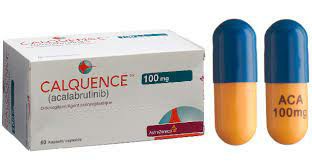
This single-center, single-arm, open-label Phase 2 trial enrolled adult patients with previously untreated grade 1 to 3A follicular lymphoma. 2 Other key entry criteria include having CD20-positive disease, an ECOG performance status of 2 or less, and adequate hematologic parameters. Eligible patients received oral acotinib at a lead-in dose of 100 mg twice daily for 28 days; then, acotinib was continued in combination with lenalidomide and rituximab for a total of 13 cycles. 1 Lenalidomine 20 mg orally daily on days 1 to 21 of cycles 2 to 13 and rituximab intravenously on day 375 mg/m2 weekly during cycle 2 and on days 1 of cycles 3 to 13.
The primary endpoint is CR rate assessed byPET-CT. Secondary endpoints include ORR, 30-month CR rate (CR30), PFS, OS, relapse-free survival, safety and tolerability. As exploratory endpoints, the effects ofacolitinibmonotherapy and triple therapy on circulating immune cells, as well as per circulating tumorMinimal residual disease (MRD) of DNA.
Other findings from the study showed that among 23 patients evaluable for early disease progression, the CR30 rate was 65% and the disease progression rate within 24 months was 17%. Among evaluable patients (n=22), the MRD-negative rate after 6 treatment cycles was 73%. No patients with partial responses achieved MRD negativity. After 6 treatment cycles, 81% (n=13/16) of patients with undetectable MRD remained in CR.
In terms of safety, the most common adverse reactions (AEs) of any grade included neutropenia (91%), anemia (83%), fatigue (79%), thrombocytopenia (67%), and headache (58%). The most common grade 3 to 4 treatment-emergent adverse events included neutropenia (58%), increased aspartate aminotransferase levels (12.5%), infection (12.5%), anemia (8%), and rash (8%).
To further explore its activity and study shorter treatment times, the study has been expanded to include an additional 26 patients with follicular lymphoma. An exploratory cohort of 10 patients with marginal zone lymphoma was also included. [Although] randomized phase 3 trials have investigated the efficacy of anti-CD3/CD20 bispecific antibodies in the first-line setting, and regimens combining other BTK inhibitors and anti-CD20 monoclonal antibodies have shown promising efficacy in the salvage setting, acotinib, lenalidomide, and rituximab represent a safe and effective chemotherapy-free regimen.
Reference: https://www.onclive.com/view/acalabrutinib-plus-lenalidomide-and-rituximab-is-safe-and-active-in-untreated-follicular-lymphoma
[ 免责声明 ] 本页面内容来自公开渠道(如FDA官网、Drugs官网、原研药厂官网等),仅供持有医疗专业资质的人员用于医学药学研究参考,不构成任何治疗建议或药品推荐。所涉药品可能未在中国大陆获批上市,不适用于中国境内销售和使用。如需治疗,请咨询正规医疗机构。本站不提供药品销售或代购服务。


