
.jpeg)
How many years can the anti-cancer effect of Fulvestrant/Fuxit be maintained and related research
Fulvestrant is a powerful hormone therapy drug widely used to treat hormone receptor-positive breast cancer. Its mechanism of action is by inhibiting the activity of estrogen receptors and reducing the dependence of tumor cells on estrogen, thereby achieving anti-cancer effects. Unlike drugs such as tamoxifen, fulvestrant has a more direct and comprehensive effect. It completely prevents cancer cells from using estrogen to grow by degrading estrogen receptors. Due to its unique mechanism, fulvestrant is considered an important drug in the treatment of breast cancer, especially in patients who have developed resistance to other anti-estrogens.
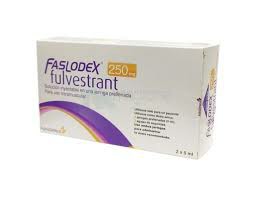
Regarding the duration of the anti-cancer effect of fulvestrant, relevant studies have shown that fulvestrant can significantly delay the progression of breast cancer during treatment, and the duration of its anti-cancer effect varies depending on the specific situation of the patient. For most patients, fulvestrant is effective for one to two years, especially during initial treatment. The effects of fulvestrant may be further prolonged by combining it with other drugs (such as with CDK4/6 inhibitors). Studies have also shown that patients treated with fulvestrant combined with CDK4/6 inhibitors (such as palbolixir or regorafenib) can significantly extend progression-free survival and achieve more durable anti-cancer effects.
However, over time, the anti-cancer effect of fulvestrant may gradually weaken, and some patients may develop drug resistance. This resistance usually occurs after 2-3 years of treatment, meaning the drug's effectiveness gradually decreases. For these patients, doctors may adjust the treatment plan and use other medications or treatments to continue to control the condition.
In general, the anti-cancer effect of fulvestrant can be maintained for 2 to 3 years. The specific duration of the effect is affected by a variety of factors, including individual differences in patients, disease progression, and the choice of drug combination therapy.
Reference materials:https://medlineplus.gov/druginfo/meds/a607031.html
[ 免责声明 ] 本页面内容来自公开渠道(如FDA官网、Drugs官网、原研药厂官网等),仅供持有医疗专业资质的人员用于医学药学研究参考,不构成任何治疗建议或药品推荐。所涉药品可能未在中国大陆获批上市,不适用于中国境内销售和使用。如需治疗,请咨询正规医疗机构。本站不提供药品销售或代购服务。


