
.jpeg)
Interpretation of the international phase III data of Gefapixant Citrate
Gefapixant Citrate (Gefapixant Citrate) is an innovative treatment drug for chronic cough, especially suitable for patients with refractory or unexplained chronic cough. Its main mechanism of action is to regulate the transmission of nerve signals by selectively inhibiting P2X3 receptors, thereby alleviating cough symptoms. Chronic cough is a common and often difficult to treat condition, especially since no clear cause is found in many patients. Gemfapixin was developed to provide a new, effective treatment option, particularly in cases where traditional treatments have failed.
A number of international phase III clinical studies, such asCOUGH-1 and COUGH-2, conducted a series of randomized controlled trials on different patient groups to evaluate the efficacy and safety of Gemfapixin. The study focused on patients with refractory chronic cough who often do not respond significantly to conventional antitussive medications such as antitussives or steroid therapy. Therefore, these studies have important clinical implications for the evaluation of gemfapixin as a new therapeutic agent.
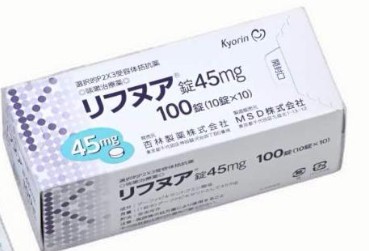
In these clinical trials, gemfapixin demonstrated significant therapeutic effects. Gelfapixen significantly reduced cough frequency compared with placebo, especially when patients were awake. This has been verified in multiple studies, showing that Gemfapixen can effectively reduce cough symptoms in patients. Specific efficacy data show that patients who use Gemfapixin have a significant reduction in cough frequency, with some patients experiencing a reduction in cough frequency ranging from 16% to 37%. This result suggests that gemfapixin has important potential in relieving refractory chronic cough.
In addition to objective cough frequency data, patients' quality of life also improved significantly. In some studies, patient self-assessments have shown significant improvements in overall quality of life after cough symptoms were relieved. For example, in a phase 2b study, a dose of 50 mg twice daily not only significantly reduced cough frequency but also improved patients' quality of life scores. Leicester Cough Questionnaire scores showed significant improvements in patients' quality of life, particularly in terms of physical discomfort and social distress caused by coughing.
However, the side effects of Gemfapixin are also aspects that must be paid attention to. The most common adverse reaction is dysgeusia, especially at higher doses. Although dysgeusia is the most common side effect of Gemfapixen, in most cases the side effects are mild and usually resolve as treatment continues or the dose is adjusted. However, individual patients may discontinue medication due to persistent taste problems. Therefore, patient tolerance monitoring and drug dose adjustment are crucial during treatment.
The efficacy and safety of Gemfapixin have been fully verified in international phase III clinical trials. These trials include a variety of evaluation indicators, covering objective cough monitoring data and patient-reported efficacy results, ensuring the applicability and safety of the drug in different patient groups. Through these studies, researchers can gain an in-depth understanding of the performance of Gemfapixin in actual clinical settings, while providing a reliable basis for further promotion and application of the drug.
Reference materials:https://synapse.patsnap.com
[ 免责声明 ] 本页面内容来自公开渠道(如FDA官网、Drugs官网、原研药厂官网等),仅供持有医疗专业资质的人员用于医学药学研究参考,不构成任何治疗建议或药品推荐。所涉药品可能未在中国大陆获批上市,不适用于中国境内销售和使用。如需治疗,请咨询正规医疗机构。本站不提供药品销售或代购服务。


