
.jpeg)
Precautions when using Inavolisib
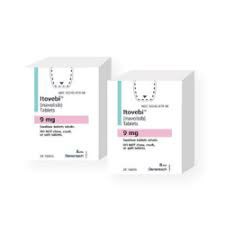
Inavolisib (Inavolisib), as a class of selective PI3Kα inhibitors, plays an important role in the treatment of breast cancer. It also has a specific adverse reaction spectrum due to its unique mechanism of action. During clinical use, standardized management of metabolic, gastrointestinal and mucosal-related side effects is the key to ensuring efficacy and safety. Therefore, mastering the monitoring principles and risk control strategies during inalise treatment is of great significance to both physicians and patients.
1. In terms of metabolism, hyperglycemia is one of the most serious adverse reactions of inariside. During treatment, some patients may experience significant increases in blood sugar or even ketoacidosis. Death cases related to ketoacidosis have also been recorded in the international post-marketing adverse event database. Most patients in clinical studies experienced elevated fasting blood glucose. Many patients can improve their blood sugar conditions after adjusting their medications or combining them with antidiabetic therapy, but some patients still need to interrupt, reduce or even discontinue their medications. Therefore, a baseline assessment of fasting blood glucose and HbA1c must be completed before using inaliset, and intensive monitoring must be performed early in the treatment, including monitoring every three days for the first 7 days after treatment, and then gradually extending the monitoring interval. Patients with hyperglycemia should use oral hypoglycemic drugs or insulin intervention in a timely manner, and the plan should be dynamically adjusted according to changes in blood sugar. For patients with metabolic risks, they can consult an endocrinologist in advance before treatment and use home blood glucose monitoring to increase safety.
2. Stomatitis is another common adverse reaction with a high clinical incidence rate. Some patients will develop grade 3 ulcers or pain that affect eating. Grade 3 ulcers or pain. In the real world, most mild-to-moderate stomatitis can be effectively controlled with steroid-containing mouthwashes, topical care, and nutritional intervention, but some patients still experience dose interruption or adjustment. It is recommended to provide oral hygiene education before the start of treatment, to intervene promptly when symptoms occur, and to suspend medications when necessary to promote the restoration of mucosal integrity.
3. Diarrhea is also an experiential side effect that needs attention during the treatment of inaliside. Some patients will have frequent bowel movements, abdominal discomfort, and even acute kidney injury induced by dehydration, so rehydration and anti-diarrhea treatment are particularly important. This adverse reaction usually occurs within about two weeks, and some patients may be intolerable and affect the continuity of treatment. It is clinically recommended that patients start standard antidiarrheal treatment such as loperamide when diarrhea first occurs, increase daily fluid intake, and pay close attention to dehydration indicators such as urine output. If diarrhea continues to worsen, temporary discontinuation of the drug or dose adjustment should be considered.
4. In terms of reproductive toxicity, based on the results of animal experiments, inaliset may cause harm to the embryo, including fetal death and structural abnormalities. Therefore, the drug is clearly classified as a prohibited drug during pregnancy. Women of childbearing potential need to continue to use effective contraceptive measures during treatment and within one week after stopping the drug. Male patients also need to ensure their partners' pregnancy prevention and avoid trying to conceive during treatment. For pregnant women and people planning pregnancy, the risks should be fully assessed and use avoided.
Overall, inaliset provides important targeted benefits in combination therapy for breast cancer, but its associated risks of metabolic, gastrointestinal and mucosal damage require systematic management. Through standardized baseline assessment, frequent initial monitoring, timely drug intervention, and multidisciplinary collaboration, most adverse reactions can be controlled, thereby ensuring that patients can continue and stably obtain the improved survival brought by targeted therapy.
Reference materials:https://www.itovebi-hcp.com/
[ 免责声明 ] 本页面内容来自公开渠道(如FDA官网、Drugs官网、原研药厂官网等),仅供持有医疗专业资质的人员用于医学药学研究参考,不构成任何治疗建议或药品推荐。所涉药品可能未在中国大陆获批上市,不适用于中国境内销售和使用。如需治疗,请咨询正规医疗机构。本站不提供药品销售或代购服务。


