
.jpeg)
Therapeutic Domain Expansion Study of Maribavir/Yitazhi
Maribavir (Maribavir), as a CMV pUL97 kinase inhibitor, was initially targeted for patients with cytomegalovirus (CMV) infection after transplantation who have failed or are resistant to traditional antiviral drugs, including adults and adolescents weighing no less than 35 kg. It is currently one of the few oral treatment options for drug-resistant CMV in the world. As its clinical use experience increases and its antiviral mechanism is gradually better understood by the scientific community, the potential therapeutic areas of maribavivir are being rapidly expanded, and research on multiple new indications is also being promoted overseas.
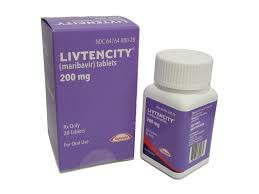
One of the most interesting directions for its expanded research is for the management of CMV infection at earlier stages Particularly in the stage of CMV reactivation that is common after hematopoietic stem cell transplantation and solid organ transplantation. Traditionally, this type of prevention and early treatment relies on ganciclovir or valganciclovir, but these drugs are often accompanied by limiting factors such as bone marrow suppression and renal impairment. The advantage of maribavivir is that it does not produce bone marrow suppression and does not increase the burden on the kidneys, so it may have alternative value in high-risk patients after transplantation. Currently, many countries are conducting research on the use of maribavivir for preventive treatment or early antiviral treatment to explore whether it can reduce the CMV reactivation rate and delay the progression of the disease.
Another research direction is the exploration of combination therapies, especially in patients with highly drug-resistant or recurrent CMV infection. CMV infection. Although maribavivir has shown good results as a monotherapy, for some virus strains that have developed multi-drug resistance mutations, researchers are considering whether it can be used in combination with other new antiviral targets, such as combining antiviral strategies that act on the viral envelope, immune regulation, or host cell pathways to form multi-pathway inhibition and achieve more robust virus control. Since the target of maribavivir is independent of traditional antiviral drugs, its theoretical basis in combination therapy is relatively sufficient.
Reference materials:https://www.livtencity.com/
[ 免责声明 ] 本页面内容来自公开渠道(如FDA官网、Drugs官网、原研药厂官网等),仅供持有医疗专业资质的人员用于医学药学研究参考,不构成任何治疗建议或药品推荐。所涉药品可能未在中国大陆获批上市,不适用于中国境内销售和使用。如需治疗,请咨询正规医疗机构。本站不提供药品销售或代购服务。


