
.jpeg)
What is the Difference Between Enzalutamide/Enzalutamide (Acetan) and Apalutamide
Enzalutamide/ Enzalutamide ( Enzalutamide) and apalutamide (Apalutamide) both belong to the new generation of androgen receptor inhibitors. They are two representative molecules that have attracted great attention in the international prostate cancer treatment system in recent years. They both slow down tumor growth by deeply inhibiting the androgen receptor signaling pathway, but there are differences worthy of attention in structural design, target binding properties, indication layout, safety performance and pharmacokinetics. It is these differences that make the clinical application details and use strategies of the two drugs in patients with prostate cancer at different stages relatively clear, and they have also become the core basis for the continuous updating of overseas clinical guidelines.
From a pharmacological structure perspective, both drugs are non-steroidal AR antagonists, but apalutamide has a more "lightweight" and low-penetration design in its molecular structure, making it more restricted in entering the central nervous system. Therefore, apalutamide can theoretically reduce the risk of some central nervous system-related adverse reactions, while enzalutamide is easier to enter the central nervous system. This is also one of the key points that overseas experts often emphasize when discussing the differences between the two. Although both can block the binding of androgens to AR, inhibit AR transport to the nucleus, and interfere with downstream transcription, apalutamide inhibits the activated conformation of the receptor more thoroughly and has a relatively stronger affinity, so it exhibits faster AR pathway inhibition characteristics in the treatment of certain stages of prostate cancer.
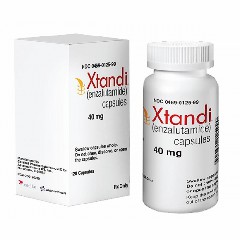
From the indication layout, both are widely included in international guidelines for castration-resistant prostate cancer (CRPC) stage, but apalutamide was recommended earlier in non-metastatic castration-resistant prostate cancer (nmCRPC) and has become one of the mainstream regimens at this stage in many countries. Enzalutamide has wider indications, covering multiple stages from non-metastatic to metastatic, from castration-sensitive to castration-resistant, and can be combined with traditional endocrine therapy to form a stronger treatment system. Generally speaking, apalutamide focuses more on in-depth and precise intervention in "early CRPC nodes", while enzalutamide has a solid position in more complex disease spectrums.
There are also differences in the spectrum of adverse reactions between the two, which is one of the most important factors for patients when choosing a regimen. Enzalutamide may cause fatigue, dizziness and other symptoms because it penetrates the central nervous system more easily. At the same time, its impact on CYP enzymes also makes the risk of drug interactions slightly higher. Apalutamide has fewer central-related adverse reactions, but skin, thyroid, and bone density-related events appear more frequently in overseas data discussions. In other words, apalutamide is more suitable for patients who are worried about central side effects, while enzalutamide is more suitable for patients who need to maintain strong suppressive AR signals and have multi-stage adaptive treatment.
From a clinical use strategy, apalutamide is considered more suitable"Early blocking of disease progression" is characterized by stable inhibition, quick effects, and a relatively mild impact on quality of life. Enzalutamide is more comprehensive, especially in patients who have metastasized, have complicated conditions, or require long-term control. According to multiple overseas long-term follow-up studies, its survival benefit and disease control still maintain a high stability.
Reference materials:https://www.xtandi.com/
[ 免责声明 ] 本页面内容来自公开渠道(如FDA官网、Drugs官网、原研药厂官网等),仅供持有医疗专业资质的人员用于医学药学研究参考,不构成任何治疗建议或药品推荐。所涉药品可能未在中国大陆获批上市,不适用于中国境内销售和使用。如需治疗,请咨询正规医疗机构。本站不提供药品销售或代购服务。


