
.jpeg)
How to adjust the dose of giritinib (segatan) in patients with liver and renal insufficiency
Gilteritinib is an oral targeted drug for FLT3 mutated acute myeloid leukemia (AML). Its metabolism is mainly completed through the liver enzyme system CYP3A4 pathway, and is excreted by the liver, gallbladder and kidneys. Therefore, for patients with liver or renal insufficiency, special attention must be paid to dose adjustment and adverse reaction monitoring before and during medication to ensure a balance between safety and efficacy.
For patients with mild to moderate hepatic impairment, studies have shown that the increase in plasma concentration of gilitinib is limited and can usually be used at a conventional dose (once daily, 120mg). However, if the patient has severe hepatic insufficiency (such as Child-Pugh C grade), due to a significant decrease in drug clearance and increased body exposure, the dosage should be appropriately reduced or the medication interval should be extended under the guidance of a doctor. At the same time, liver enzymes (ALT, AST) and bilirubin levels should be tested regularly. Once there is a significant increase or liver function worsens, medication should be suspended immediately and risks assessed.
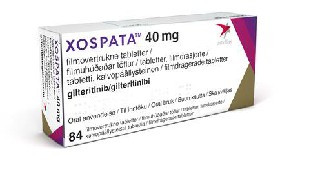
In patients with renal insufficiency, mild to moderate renal impairment has little impact on the pharmacokinetics of giritinib, and dose adjustment is generally not required. However, for patients with severe renal dysfunction or a significant increase in serum creatinine, the dose should be appropriately adjusted according to the glomerular filtration rate (GFR) due to possible accumulation of drug metabolites, and adverse reactions should be closely monitored, such as fatigue, prolongation of the electrocardiogram QT interval or further increase in creatinine. If significant deterioration of renal function occurs, the drug should be discontinued promptly and supportive treatment should be provided.
In general, patients with hepatic and renal insufficiency should implement individualized management when using giritinib: baseline indicators of liver and kidney function need to be assessed before taking the drug; liver and kidney function, electrocardiogram and hematological parameters should be regularly monitored during treatment; if signs of drug accumulation or toxic reactions are detected, the doctor should adjust the dose or suspend the drug according to the clinical situation. Do not increase or decrease the dosage on your own to avoid affecting the efficacy or increasing the risk of drug toxicity.
Reference materials:https://www.drugs.com/
[ 免责声明 ] 本页面内容来自公开渠道(如FDA官网、Drugs官网、原研药厂官网等),仅供持有医疗专业资质的人员用于医学药学研究参考,不构成任何治疗建议或药品推荐。所涉药品可能未在中国大陆获批上市,不适用于中国境内销售和使用。如需治疗,请咨询正规医疗机构。本站不提供药品销售或代购服务。


