
.jpeg)
Common side effects of Eltrombopag (Revlan) and how to deal with them
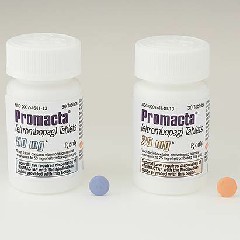
Eltrombopag is an oral thrombopoietic receptor agonist, mainly used to treat chronic immune thrombocytopenia (ITP), aplastic anemia (AA) and liver disease-related thrombocytopenia. The drug activates the thrombopoietin receptor (TPO-R) and promotes the differentiation of bone marrow hematopoietic stem cells into megakaryocytes, thereby increasing platelet production. Although the efficacy is accurate, a series of side effects may still occur during use, so reasonable monitoring and scientific response are particularly important.
First of all, the most common adverse reaction is abnormal liver function. Eltrombopag is metabolized by the liver in the body, which may lead to an increase in serum aminotransferases (ALT, AST) or bilirubin, and some patients may experience mild liver function fluctuations. To reduce risk, it is recommended to assess baseline liver function before treatment and monitor liver function weekly during the early stages of treatment (within the first month) and subsequently to monthly. If ALT or AST exceeds the upper limit of normal more than 3 times, or is accompanied by an increase in bilirubin, the drug should be discontinued or the dose should be adjusted in time. Most mild to moderate liver function abnormalities can return to normal after stopping the drug or reducing the dose. If the patient has liver disease, it should be used with caution under the guidance of a doctor, and avoid taking it at the same time with other potentially hepatotoxic drugs.
Secondly, digestive system reactions are another common side effect. Some patients may experience discomfort such as nausea, vomiting, loss of appetite, abdominal pain or bloating during the initial period of medication, which is usually related to individual tolerance to drug absorption. It is recommended that eltrombopag should be taken on an empty stomach or on a low-calcium diet, because the combination of the drug with metal ions such as calcium, iron, and magnesium will reduce its bioavailability and thus affect its efficacy. If the patient experiences gastric discomfort, the medication time can be adjusted (for example, taken before bedtime), or gastric mucosal protective drugs can be used in combination for a short period of time. At the same time, avoid taking it with dairy products and calcium-fortified foods to prevent absorption.
Third, the risk of thrombosis requires special attention. Since eltrombopag can significantly increase platelet levels, if the dose is not properly controlled or the patient has a basic risk of hypercoagulation (such as obesity, diabetes, long-term bed rest, etc.), the incidence of thrombotic events may increase. Thrombosis can manifest as swelling of the lower limbs, chest pain, shortness of breath, or neurological symptoms. If similar symptoms occur, you should seek medical attention immediately. Doctors usually adjust dosage by monitoring platelet counts, with the goal of maintaining platelet levels within a safe range (generally 50–200 × 10⁹/L) rather than pursuing excessively high values. Regular monitoring of hematological indicators is a key measure to prevent thrombotic complications.
Fourth, eltrombopag may also cause myelofibrosis and hematological abnormalities. Long-term use may lead to changes in bone marrow tissue structure, manifested by increased reticular fiber deposition. Although most cases are reversible, if a patient develops abnormal peripheral blood morphology or new cytopenias during treatment, bone marrow examination should be performed promptly for evaluation. In addition, some patients report mild adverse reactions such as headache, fatigue, joint pain or muscle soreness after use, which usually do not affect treatment and can be treated symptomatically by resting, adjusting lifestyle, or under the guidance of a doctor.
In addition, skin and eye reactions are also worth noting. Individual patients may develop rash, itching, or skin pigmentation, which is related to the accumulation of drug metabolites. It usually subsides gradually after stopping the medication. If the reaction is severe, the medication should be suspended and allergic reactions should be ruled out. A few cases have reported cataracts or blurred vision. Long-term users are advised to have an eye examination every 6–12 months to ensure visual health.
In clinical application, scientific monitoring and individualized adjustment are the core of dealing with side effects. Doctors usually dynamically adjust the dose based on the patient's underlying disease, liver and kidney function, platelet reaction speed, and types of adverse reactions. The general starting dose is 25–50 mg/day, and is gradually adjusted according to efficacy and tolerability. During medication, avoid taking supplements or antacids containing metal ions at the same time, and maintain a reasonable medication interval (at least 4 hours). In addition, patients should pay attention to drinking plenty of water, eating a balanced diet, and avoiding the combined use of alcohol and hepatotoxic drugs to reduce the burden on the liver.
Overall, eltrombopag is a platelet-promoting drug with proven efficacy and wide clinical application, and most of its side effects are controllable and reversible. Through standardized monitoring, timely dose adjustment and individualized management, most patients can benefit long-term within a safe range. Patients should strictly follow the doctor's instructions during use, review blood and liver function regularly, and report to the doctor in time if abnormal symptoms occur to ensure the effectiveness and safety of the treatment.
Reference materials:https://www.drugs.com/
[ 免责声明 ] 本页面内容来自公开渠道(如FDA官网、Drugs官网、原研药厂官网等),仅供持有医疗专业资质的人员用于医学药学研究参考,不构成任何治疗建议或药品推荐。所涉药品可能未在中国大陆获批上市,不适用于中国境内销售和使用。如需治疗,请咨询正规医疗机构。本站不提供药品销售或代购服务。


