
.jpeg)
Clinical reference guide for drugs and next treatment options after ponatinib resistance
Ponatinib (Ponatinib) is a third-generation oral tyrosine kinase inhibitor (TKI), mainly used to treat chronic myelogenous leukemia (CML) and Philadelphia chromosome-positive acute lymphoblastic leukemia (Ph+ ALL), especially for T315I mutation-resistant patients. However, some patients may develop drug resistance or intolerance after long-term use of ponatinib. In this case, the next treatment plan needs to be selected based on clinical guidelines.
For ponatinib-resistant CML patients, the primary strategy is to conduct resistance mutation testing to determine whether there are new BCR-ABL mutations or other resistance mechanisms. Depending on the mutation type, the sensitivity of other available TKIs can be assessed. Some patients may try to switch to other TKIs of the same type, such as dasatinib (Dasatinib) or nilotinib (< /span>Nilotinib), but for those resistant to the T315I mutation, the options are limited and special attention needs to be paid to efficacy monitoring.
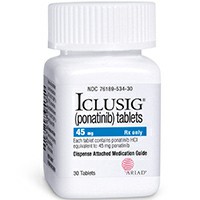
In cases of drug resistance or intolerance to ponatinib, stem cell transplantation (HSCT) remains a potentially curative option. Especially for young patients or patients with good physical fitness, if there are high-risk mutations or the efficacy of TKIs is limited, timely evaluation of hematopoietic stem cell transplantation can significantly improve long-term survival rates. At the same time, other TKIs or combination chemotherapy can be used before transplantation to control disease progression and create conditions for transplantation.
In addition, clinical guidelines also emphasize participation in clinical trials or the use of new targeted drugs as the next treatment strategy. NewBCR-ABL targeting drug-resistantCMLInhibitors, combination regimens, or immunotherapies are being investigated as potential therapeutic options for drug-resistant patients. In general, ponatinib resistance requires individualized evaluation, including the type of resistance mutation, patient's constitution, available drugs and stem cell transplantation conditions, to formulate a scientific and step-by-step treatment plan to maximize the efficacy and ensure safety.
Reference materials:https://www.drugs.com/
[ 免责声明 ] 本页面内容来自公开渠道(如FDA官网、Drugs官网、原研药厂官网等),仅供持有医疗专业资质的人员用于医学药学研究参考,不构成任何治疗建议或药品推荐。所涉药品可能未在中国大陆获批上市,不适用于中国境内销售和使用。如需治疗,请咨询正规医疗机构。本站不提供药品销售或代购服务。


