
.jpeg)
What are the adverse reactions of entrectinib/Luo Shengquan?
Entrectinib (Entrectinib), as a broad-spectrum targeted drug that can target both ROS1 fusion (non-small cell lung cancer ) and NTRK fusion, has become a treatment option that the international oncology community has paid great attention to in recent years. Although drugs are of great significance in the era of precision treatment, patients are often more concerned about "whether the adverse reactions are serious and what conditions will generally occur." The adverse reactions of entrectinib show a relatively characteristic pattern, mainly focusing on weight changes, neurological manifestations, gastrointestinal reactions, and heart-related discomforts. Most of these reactions can be managed. As long as they are understood in advance, medication anxiety can be reduced.
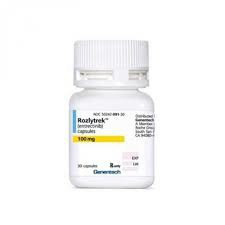
Weight gain is a widely reported adverse effect during the use of entrectinib. Many patients will experience weight fluctuations caused by increased appetite or water retention after continued treatment. This is related to the effect of the drug on energy metabolism pathways and central regulation of the nervous system. Usually, such changes occur gradually, and patients do not need to worry too much about short-term weight gain, but it is still recommended to regularly monitor weight and cardiac function to facilitate timely evaluation by doctors.
Neurologic response is another characteristic of entrectinib. Because the drug can penetrate the blood-brain barrier, it has obvious advantages in controlling central metastases. However, at the same time, some patients may experience dizziness, slight instability in gait, slowed reactions, or temporary loss of attention. Such symptoms are often more obvious in the early stages of treatment and will ease as the body adapts. If the discomfort affects your daily life, you can report it to your doctor and improve it by adjusting your life rhythm and taking a reasonable rest.
Gastrointestinal adverse reactions such as nausea, mild diarrhea, stomach distension, etc. are also relatively common, mostly mild to moderate, and usually gradually stabilize after continued use. Eating a light diet, eating regularly, and taking symptomatic medications as directed by your doctor when necessary can effectively improve this type of discomfort.
Reference materials:https://www.roche.com/products/rozlytrek
[ 免责声明 ] 本页面内容来自公开渠道(如FDA官网、Drugs官网、原研药厂官网等),仅供持有医疗专业资质的人员用于医学药学研究参考,不构成任何治疗建议或药品推荐。所涉药品可能未在中国大陆获批上市,不适用于中国境内销售和使用。如需治疗,请咨询正规医疗机构。本站不提供药品销售或代购服务。


