
.jpeg)
What is the difference between pemetinib/dabotan and erdafitinib?
Pemigatinib(Pemigatinib) and Erdafitinib (Erdafitinib) are both FGFR-targeted drugs, but they have significant differences in target selectivity, indication layout, molecular structure characteristics, and toxicity spectrum, making them play different roles in clinical practice. Although both drugs act on the FGFR pathway and block tumor growth by inhibiting the kinase activity of the fibroblast growth factor receptor, their research and development goals do not completely overlap, which is the fundamental reason for the differences in their therapeutic areas.
From the perspective of target selectivity, pemetinib focuses more on FGFR2 abnormalities, especially FGFR2 fusions and rearrangements. Such gene changes have the most clinical significance incholangiocarcinoma (CCA) , so pemetinib is regarded as an important breakthrough in the precision treatment of cholangiocarcinoma. Its molecular structure is designed to have a significantly higher affinity for FGFR2 than FGFR1 and FGFR3, thus providing higher targeting accuracy. Erdafitinib is a broader-spectrum FGFR1-4 inhibitor, and its main target group is patients with metastatic urothelial cancer with FGFR2 or FGFR3 gene alterations (mutation or fusion). Due to the high proportion of FGFR2/3 mutations and fusions in urothelial cancer, a broad-spectrum inhibition strategy is more consistent with its disease characteristics.
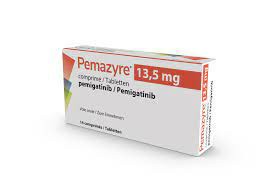
In terms of indications, the two are almost in different disease tracks. Pemetinib is mainly used for patients with locally advanced or metastatic cholangiocarcinoma, especially the subgroup with FGFR2 fusion/rearrangement. Cholangiocarcinoma itself is a digestive system tumor with poor prognosis and limited options. Its research and development logic focuses more on breakthroughs in specific gene subtypes. Erdafitinib focuses on urinary system tumors and is the first targeted drug approved by the FDA for urothelial cancer with FGFR2/FGFR3 alterations. It is worth noting that with the deepening of research, erdafitinib has also shown a trend of exploration in other solid tumors (such as some gliomas), but it has not yet formed mature indications.
In terms of the details of the mechanism of action, although both exert inhibitory effects by competitively occupying the kinaseATP binding site, there are still differences in pharmacokinetics and inhibitory strength. Pemetinib's inhibition of FGFR2 is more durable, giving it a more stable inhibitory effect in cholangiocarcinoma tissue; the broad-spectrum properties of erdafitinib mean that it has a potential role in a variety of FGFR abnormal backgrounds, and is suitable for diverse situations where gene mutations and fusions coexist.
In terms of adverse reactions, the most typical difference between the two is reflected in the frequency of ocular toxicity. Erdafitinib because of its effect onInhibition of FGFR1 leads to a more significant increase in blood phosphate, which leads to the unique risk of subretinal fluid accumulation or blurred vision, so most patients require regular eye examinations. The main adverse reactions of pemetinib are more concentrated in hyperphosphatemia, nail changes, oral discomfort and dry skin, etc., which are common characteristics of FGFR inhibitors, but the overall incidence of ocular toxicity is relatively low. In addition, the dosage adjustment strategies and monitoring frequencies are also different between the two, reflecting their differences in in vivo metabolism and toxicity management.
In general, pemetinib is more prominent It has a "precise, specific, and deep targeting" model and is suitable for FGFR2-driven cholangiocarcinoma; erdafitinib embodies the characteristics of "broad spectrum, multi-target, and multi-tumor types" and is especially suitable for urothelial cancer with FGFR2/3 alterations. The two are not substitutes for each other, but have their own precise therapeutic value in different genetic backgrounds and disease types.
Reference materials:https://go.drugbank.com/drugs/DB15102
[ 免责声明 ] 本页面内容来自公开渠道(如FDA官网、Drugs官网、原研药厂官网等),仅供持有医疗专业资质的人员用于医学药学研究参考,不构成任何治疗建议或药品推荐。所涉药品可能未在中国大陆获批上市,不适用于中国境内销售和使用。如需治疗,请咨询正规医疗机构。本站不提供药品销售或代购服务。


