
.jpeg)
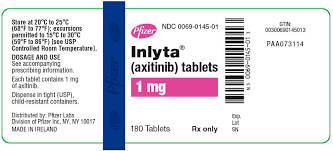
Scientific treatment methods and mitigation measures for adverse reactions of axitinib (Inlida)
1. Treatment and mitigation measures for high blood pressure
Hypertension is one of the most common systemic adverse reactions of axitinib, which usually occurs during the initial treatment or after dose adjustment. The first step in scientific treatment is to monitor blood pressure. Patients should establish a baseline blood pressure before starting treatment and perform self-tests of blood pressure regularly on a daily or weekly basis, especially during the early stages and during dose adjustments. If there is a mild to moderate increase, it can be controlled through lifestyle intervention and antihypertensive drugs, such as a low-salt diet, regular exercise, and avoidance of tobacco, alcohol, and stress. Commonly used antihypertensive drugs include ACE inhibitors, ARBs or calcium channel blockers. The specific selection needs to be based on the patient's comorbidities and the doctor will formulate an individualized plan. For patients with severely elevated blood pressure or symptoms such as headache and visual impairment, they should seek medical attention immediately and consider temporarily discontinuing the drug or reducing the dose. Scientific management of hypertension can not only relieve symptoms but also prevent cardiovascular and cerebrovascular complications while maintaining the therapeutic dose and efficacy of axitinib.
2. Management strategies for proteinuria
Axitinib can cause proteinuria, which is typical of renal toxicity associated with VEGFR inhibitors. Patients should undergo routine urine testing before treatment to establish baseline values, and review them regularly during treatment. Mild proteinuria usually does not require discontinuation of medication, but renal function, including serum creatinine and glomerular filtration rate, needs to be closely monitored and evaluated. If proteinuria gradually worsens or kidney function declines, your doctor may recommend adjusting the dose or suspending treatment. In daily life, patients should ensure adequate fluid intake, avoid the use of other nephrotoxic drugs, and pay attention to blood pressure control, because high blood pressure will aggravate the risk of proteinuria. With early monitoring and intervention, most proteinuria can be effectively managed to prevent further kidney damage.
Fatigue and weakness are also common with axitinib treatment and may be caused by direct effects of the drug, tumor burden, anemia, or metabolic abnormalities. Scientific intervention should start from many aspects. First, make sure you get enough sleep and maintain a regular schedule. Secondly, enhance physical strength through moderate aerobic exercise and rehabilitation training, while paying attention to nutritional balance and supplementing protein and trace elements. For patients with obvious anemia, iron supplementation, erythropoiesis-stimulating drugs or blood transfusions should be provided under the guidance of a doctor. Psychological support is also a key factor. Fatigue can be alleviated through psychological counseling, stress reduction training and family support. If fatigue significantly affects quality of life, your doctor may evaluate the need for dose reduction or short-term discontinuation of the medication. Scientific treatment of fatigue not only improves patients' quality of life, but also helps maintain the smooth progress of long-term treatment.
4. Relief of gastrointestinal reactions
Common gastrointestinal adverse reactions of axitinib include nausea, vomiting, diarrhea and decreased appetite. Mild to moderate symptoms can be alleviated through dietary modification and pharmacological intervention. In terms of diet, it is recommended to eat small meals frequently, avoid greasy and spicy foods, and replenish water appropriately. Pharmacological intervention can be the use of antiemetics (such as ondansetron) or antidiarrheal drugs (such as loperamide) under the guidance of a doctor. If patients experience persistent diarrhea, dehydration or severe vomiting, they should seek medical attention immediately. If necessary, axitinib treatment should be suspended or the dose should be adjusted. Early intervention of gastrointestinal symptoms can effectively improve patient tolerance, prevent weight loss and malnutrition, and ensure continuity of treatment.
5. Management of skin reactions and hand-foot syndrome
Rash, Sjogren's syndrome, and hand-foot syndrome are also common side effects of axitinib. Mild rashes can be controlled by topical moisturizing, avoiding prolonged exposure to sunlight or friction, and using low-strength topical hormonal ointments. Hand-foot syndrome can be relieved by wearing comfortable shoes and socks, avoiding prolonged standing or hand friction, and applying topical moisturizers or pain relief ointments. For patients with severe hand-foot syndrome or whose quality of life is affected, dose reduction or short-term discontinuation should be considered under the guidance of a doctor. Early scientific management of skin reactions can prevent secondary infections and reduced quality of life while reducing the risk of treatment interruption.
6. Prevention of cardiovascular and other systemic reactions
In addition to hypertension, a small number of patients may experience palpitations, abnormal heart rhythms, or thrombotic events. Scientific management includes assessing cardiovascular risk before treatment and closely monitoring electrocardiogram, blood pressure and hematological indicators during treatment. For patients with underlying cardiovascular diseases, management plans should be optimized under the guidance of the cardiology department. Other systemic reactions such as thyroid dysfunction, bleeding tendency, etc. also require regular review of relevant indicators.
7. The importance of comprehensive scientific management
The scientific management of adverse reactions of axitinib includes not only drug dose adjustment, but also monitoring, lifestyle intervention, psychological support and nutritional management. Establishing a systematic follow-up mechanism, timely detecting early signals, and cooperating with doctors to intervene can minimize the impact of adverse reactions on patients' quality of life and treatment efficacy. Patients should learn to record changes in symptoms, review them regularly, and maintain communication with their doctors so that treatment plans can be adjusted individually.
In short, although axitinib has many adverse reactions, most of them can be effectively controlled through scientific and systematic intervention measures, thereby ensuring that patients obtain sustained and stable treatment effects and improve their quality of life. The joint participation of doctors and patients in management is the key to the safe and effective use of axitinib.
Reference: https://www.drugs.com/
[ 免责声明 ] 本页面内容来自公开渠道(如FDA官网、Drugs官网、原研药厂官网等),仅供持有医疗专业资质的人员用于医学药学研究参考,不构成任何治疗建议或药品推荐。所涉药品可能未在中国大陆获批上市,不适用于中国境内销售和使用。如需治疗,请咨询正规医疗机构。本站不提供药品销售或代购服务。


