
.jpeg)
The most common types of adverse reactions and countermeasures for Valganciclovir
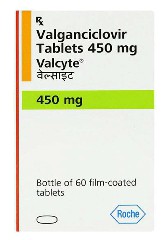
Valganciclovir (Valganciclovir) is an oral antiviral drug, a nucleoside antiviral agent, mainly used to prevent and treat cytomegalovirus (CMV) infection in organ transplant patients, and to treat CMV related diseases in people with low immune function. Although Vancevir is effective in the prevention and treatment of CMV, long-term or high-dose use may cause a variety of adverse reactions, which requires high attention from patients and medical staff. Understanding the common types of adverse reactions and scientific countermeasures is crucial to ensuring the safety of treatment, improving compliance and maintaining efficacy.
1. Hematological abnormalities
The most common adverse reactions of Vancevi are hematological abnormalities, mainly manifested as neutropenia, leukopenia, thrombocytopenia and anemia. Clinically, neutropenia may increase the risk of infection, and decreases in white blood cells and platelets may lead to bleeding tendencies or decreased immune function. To deal with these problems, patients should undergo a baseline blood routine assessment before treatment, and blood routine indicators need to be reviewed regularly during treatment. Mild to moderate hematological abnormalities can usually be controlled by adjusting the dose or extending the dosing interval. For severe myelosuppression, medication should be suspended and growth factor support therapy or blood transfusion intervention should be considered under the guidance of a physician to reduce the risk of infection and bleeding.
2. Gastrointestinal reactions
After oral administration of Vancevi, common gastrointestinal adverse reactions include nausea, vomiting, diarrhea, abdominal pain and loss of appetite. Most of these side effects occur early in treatment and may affect patient compliance. Countermeasures include taking it in divided doses, taking it after meals to reduce gastrointestinal irritation, and paying attention to replenishing water and electrolytes. Severe or persistent symptoms can be treated symptomatically with antiemetics or antidiarrhea drugs under the guidance of a doctor. In addition, patients should maintain a light diet and avoid greasy or irritating foods to relieve discomfort.
3. Impact on kidney function
Valganciclovir is excreted in the body through the kidneys and therefore poses certain risks to patients with renal insufficiency. Clinical manifestations may be elevated serum creatinine or abnormal renal function indicators. Response strategies include assessing renal function before treatment and adjusting dosage according to renal function status; regularly monitoring serum creatinine and urine output during treatment to detect changes in renal function in a timely manner. Patients should drink plenty of fluids and avoid concurrent use of drugs that may aggravate kidney damage, such as certain nonsteroidal anti-inflammatory drugs. For patients with significantly reduced renal function, the dose should be reduced or the dosing interval should be extended under the guidance of a physician to reduce the risk of nephrotoxicity.
4. Liver function and metabolic abnormalities
Some patients may experience abnormal liver function during the use of Vancevir, such as ALT, AST increases, and occasionally accompanied by an increase in bilirubin. Although most cases are mild to moderate and can gradually recover with continued treatment, severe liver function abnormalities may lead to drug metabolism disorders and aggravate hematological or other adverse reactions. Therefore, liver function indicators should be monitored regularly before and during treatment. If obvious abnormalities are found, the medication should be suspended and symptomatic treatment should be taken according to the doctor's recommendations, such as hepatoprotective drugs or dose adjustment.
5. Other adverse reactions and comprehensive management
Vancevi may also cause adverse reactions such as headache, fever, fatigue, rash, and mild muscle or joint pain. Most are mild to moderate and can be relieved through rest, symptomatic treatment and lifestyle management. Patients with long-term use should maintain a regular schedule, eat properly, avoid overexertion, and pay attention to maintaining good oral and skin hygiene. Regular review of blood routine, liver and kidney function and clinical symptoms can detect abnormalities early and take intervention measures to ensure the continuity and safety of treatment.
To sum up, the common adverse reactions of Valganciclovir mainly include hematological abnormalities, gastrointestinal reactions, effects on renal and liver functions, and mild to moderate systemic symptoms. Coping strategies emphasize individualized management, including pre-treatment assessment, regular monitoring, dose adjustment, and symptomatic support. Through scientific management and standardized follow-up, most patients can continue to benefit within a safe range, achieve the purpose of effectively preventing and controlling CMV infection, while significantly reducing the risk of serious adverse events, and improving treatment compliance and quality of life.
Reference materials:https://www.drugs.com/
[ 免责声明 ] 本页面内容来自公开渠道(如FDA官网、Drugs官网、原研药厂官网等),仅供持有医疗专业资质的人员用于医学药学研究参考,不构成任何治疗建议或药品推荐。所涉药品可能未在中国大陆获批上市,不适用于中国境内销售和使用。如需治疗,请咨询正规医疗机构。本站不提供药品销售或代购服务。


