
.jpeg)
Pitobrutinib is equally effective as ibrutinib in CLL and suggests long-term benefits
The study found that pitobrutinib (pirtobrutinib)-Jaypirca has a similar efficacy to ibrutinib/ibrutinib (Ibrutinib) in improving the clinical efficacy of patients with chronic lymphocytic leukemia (CLL) and small lymphocytic lymphoma (SLL). These positive findings come from the phase 3 BRUIN CLL-314 trial (NCT05254743), which compared the two drugs in two patients who had never received a BTK inhibitor, a specific type of targeted therapy, and in patients with relapsed/refractory disease.
Results published in2025 also show thatpitubrutinibshows promising trends in better long-term control of the disease. The study looked at two groups of patients: those who were newly diagnosed, called treatment-naïve patients, and those whose disease had relapsed or were resistant to previous treatments, also called relapsed/refractory patients. Overall, 662 patients were randomly assigned to receive either pitubrutinib or ibrutinib.
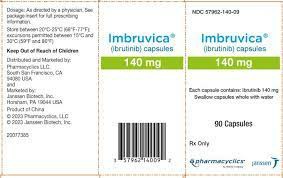
Among all patients treated, the objective response rate (ORR) was 87% for pitubrutinib and 78.5% for ibrutinib. This showed that pitubrutinib was not inferior to or noninferior to ibrutinib and showed consistently higher response rates in all patient groups. Best response (complete response [CR] or CR with incomplete hemorrhagic recovery) was achieved in 4.8% of patients in the pitubrutinib group compared with 2.4% in the ibrutinib group.
Pitobrutinib showed higher ORR in the treatment-naive population (92.9% vs. 85.8%) and relapsed/refractory population (84.0% vs. 74.8%). While it's still early days, data on progression-free survival (PFS) -- how long patients live without their disease getting worse -- shows a trend in favor of pitubrutinib. Among all patients studied, the survival rate without disease progression at 18 months was 86.9% for pitubrutinib patients and 82.3% for ibrutinib patients.
Of newly diagnosed patients takingpitubrutinib at 18 months95.3% survived without disease progression, compared with 87.6% of patients treated with ibrutinib. This early trend in PFS was most pronounced in the untreated group, which had the longest follow-up. Pitubrutinib is generally well tolerated by patients, with fewer patients requiring dose reductions or discontinuation due to side effects compared with ibrutinib.
The incidence of atrial fibrillation/atrial flutter with pitubrutinib was 2.4%, which was much lower than 13.5% with ibrutinib. The difference was even greater among patients 75 years or older (4.5% for pitubrutinib and 21.4% for ibrutinib). Common side effects of any grade of pitubrutinib include low white blood cell count, upper respiratory tract infection, anemia, and pneumonia. The incidence of hypertension was also lower with pitubrutinib compared with ibrutinib.
BRUIN CLL-314 is the first to directly compare pitubrutinib and ibrutinib in patients who have not previously received a BTK inhibitor. Currently, pitubrutinib has been approved by the U.S. Food and Drug Administration for patients with relapsed or refractory CLL/SLL who have been treated with another BTK inhibitor. As PFS data continue to mature and the trend in favor of pitubrutinib continues, these findings will support a request to the FDA for use of this drug as a first-line treatment for CLL/SLL.
Reference materials:https://www.curetoday.com/view/jaypirca-matches-Ibrutinib-s-effectiveness-for-cll-with-hints-of-long-term-benefit
[ 免责声明 ] 本页面内容来自公开渠道(如FDA官网、Drugs官网、原研药厂官网等),仅供持有医疗专业资质的人员用于医学药学研究参考,不构成任何治疗建议或药品推荐。所涉药品可能未在中国大陆获批上市,不适用于中国境内销售和使用。如需治疗,请咨询正规医疗机构。本站不提供药品销售或代购服务。


