
.jpeg)
Is it necessary to retake axitinib (Inlida) after vomiting and the correct handling steps?
When vomiting occurs after taking axitinib, whether you need to take a supplementary dose mainly depends on the time that has passed since taking the drug. General clinical advice is that if the patient vomits within minutes after taking the drug, the drug may not be fully absorbed, and a full dose may be considered at this time. However, if more than 30 minutes have passed, most of the medicine has entered the absorption stage, and taking it again will cause the risk of overdose, so it is usually not recommended to take it again. Since the patient's judgment of time may not be accurate enough, if he is unable to determine whether the drug has been absorbed, he should contact his doctor or pharmacist first to avoid taking repeated doses on his own, which may lead to high blood drug concentrations. Keeping the dose stable is an important prerequisite for axitinib to achieve optimal efficacy.
When a patient vomits within 30 minutes of taking medication , the treatment method needs to be as safe as possible. You can first determine whether it is severe vomiting. If your physical condition is relatively stable, you can take another dose and continue to observe whether the discomfort occurs again. However, if vomiting is frequent or accompanied by symptoms such as dizziness, abdominal pain, dehydration, etc., it is not advisable to take additional doses by yourself. You should suspend additional doses and consult a doctor as soon as possible. If you vomit 30 minutes after taking the medicine, follow the principle of “do not take more medicine and keep taking the next medicine on time”. At the same time, record the time and trigger of vomiting so that doctors can subsequently evaluate tolerance and possible gastrointestinal reactions.
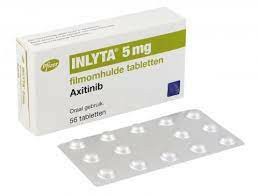
Axitinib itself may cause gastrointestinal discomfort. Some patients are sensitive to the drug and may experience nausea, loss of appetite or even vomiting. If you continue to take supplements blindly under such circumstances, it may lead to an increase in blood drug concentration and increase the risk of adverse reactions such as high blood pressure, diarrhea, fatigue, numbness of hands and feet, and abnormal liver function. Axitinib has a short half-life and needs to be taken regularly to maintain a stable concentration. Therefore, blindly pursuing "replenishing the dose" will not improve the efficacy, but may disrupt the blood concentration rhythm. If vomiting becomes a recurring problem, the causes must be further investigated, including drug irritation, gastrointestinal diseases, improper diet or emotional stress, and adjustments must be made under the guidance of a doctor.
To reduce the chance of vomiting, patients can take some preventive measures while taking axitinib. Try to avoid taking medication on an empty stomach every day. It is recommended to take it after or with meals to reduce stomach irritation. Keep a light diet, avoid greasy and spicy food, and add more water to maintain good digestion. If you experience mild nausea, you can use antiemetic drugs in advance with the advice of your doctor. If vomiting persists for more than two days, interferes with eating, causes significant weight loss, or dehydration, seek medical attention immediately to evaluate whether the dosage needs to be adjusted or the medication regimen needs to be changed. Throughout the entire treatment process, maintaining adequate communication and handling discomfort in a timely manner are the keys to ensuring the efficacy of axitinib.
Reference materials:https://www.drugs.com/
[ 免责声明 ] 本页面内容来自公开渠道(如FDA官网、Drugs官网、原研药厂官网等),仅供持有医疗专业资质的人员用于医学药学研究参考,不构成任何治疗建议或药品推荐。所涉药品可能未在中国大陆获批上市,不适用于中国境内销售和使用。如需治疗,请咨询正规医疗机构。本站不提供药品销售或代购服务。


