
.jpeg)
Whether pediatric patients can take giritinib (segatan) and dosage reference
Gilitinib is mainly used to treat FLT3 mutation-positive acute myeloid leukemia (AML) in adults. Currently, the scope of approval in most countries is still focused on adult patients, so it has not been officially approved for use in children. Whether the drug can be used in pediatric patients requires a strict evaluation by doctors, including the type of disease, FLT3 mutation status, previous treatment response, and differences in the way children metabolize the drug. Since children's liver and kidney functions, body surface area, and drug absorption characteristics are different from those of adults, there is a greater risk in directly using adult doses. Therefore, giritinib cannot be used on children by themselves.
Although giritinib has not yet been widely used in children, some overseas clinical studies are evaluating its safety and efficacy in children with AML patients, especially those with relapsed or refractory FLT3 mutations. In these studies, the dose is usually not directly fixed in adults but is adjusted based on body surface area (mg/m²). There are trials with a reference dose range of approximately 40–120 mg/m², but this is limited to research environments and cannot be applied to clinical practice. The dosage of each patient needs to be dynamically adjusted based on tolerance, drug blood concentration monitoring results, and adverse reactions.
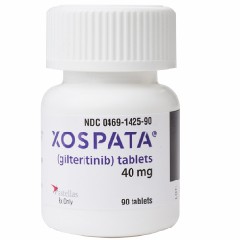
If pediatric patients do have urgent treatment needs, such as relapse, failure of conventional treatments, or intolerance to other regimens, doctors may consider "off-label use" (off-label) under strict monitoring conditions. At this time, it is necessary to ensure that the hospital has experience in treating childhood leukemia. At the same time, it is necessary to regularly monitor blood images, liver and kidney functions, electrolytes, electrocardiograms, and whether there are serious side effects such as differentiation syndrome. Families cannot judge safety for themselves and should never try it without medical advice.
In short, giritinib is currently not officially approved for use in pediatric patients, and its dosage, efficacy and long-term safety data are limited. If children's AML is difficult to treat, you should discuss with a pediatric hematology oncology specialist whether it is necessary to participate in clinical trials or use other more mature treatment options. Any dose adjustment or use decisions must be based on professional evaluation and strict monitoring to ensure the safety of the child.
Reference materials:https://www.drugs.com/
[ 免责声明 ] 本页面内容来自公开渠道(如FDA官网、Drugs官网、原研药厂官网等),仅供持有医疗专业资质的人员用于医学药学研究参考,不构成任何治疗建议或药品推荐。所涉药品可能未在中国大陆获批上市,不适用于中国境内销售和使用。如需治疗,请咨询正规医疗机构。本站不提供药品销售或代购服务。


