
.jpeg)
Summary of the clinical efficacy of Pretomanid in the treatment of multidrug-resistant tuberculosis and patients’ real-life experience
Pretomanid (Pretomanid), as an important breakthrough drug in the field of tuberculosis treatment in recent years, is specially used for patients with multi-drug-resistant tuberculosis (MDR‑TB) and extensively drug-resistant tuberculosis (XDR‑TB). Drug-resistant tuberculosis has long been a major challenge to global public health. Due to the long course of traditional treatment regimens, significant side effects, and limited success rates, patients have low treatment compliance and a high treatment burden. Pretomanid The emergence of has provided new treatment options for MDR‑TB and XDR‑TB, especially in combined beda The BPaL regimen of quinoline (Bedaquiline) and linezolid (Linezolid) shows excellent efficacy and relatively controllable safety, which greatly improves the treatment experience of drug-resistant tuberculosis patients.
Clinical trial data show that Pretomanid shows high bactericidal ability and significant negative conversion rate in the BPaL regimen. Multi-center trial results show that for XDR‑TB patients, the overall success rate of the 6 month treatment course reaches about 88%, which includes a significantly higher proportion of patients with negative sputum smear and culture conversion than the traditional treatment course. Compared with traditional MDR‑TB treatment regimen requires 18 to 24 months, patients can complete treatment in the BPaL program in just half a year, which not only reduces the risk of adverse events caused by long-term medication, but also significantly reduces the economic and psychological burden. In addition, Pretomanid can quickly inhibit the activity of Mycobacterium tuberculosis in the early stage of use and shorten the infection control time, which is especially critical for patients with compromised immune function.
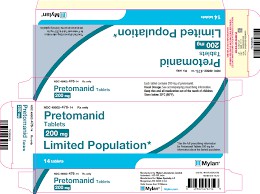
In real-world use, Pretomanid also shows good application value. Patients generally report that combined use ofBPaLAfter the program, the time for sputum culture to turn negative was shortened, and clinical symptoms such as cough, low fever, and weight loss were significantly improved. Although drug-related side effects have occurred in some patients, including nausea, decreased appetite, anemia, and peripheral neuropathy, most cases can be alleviated through dose adjustment, supportive care, or symptomatic treatment. The all-oral regimen also allows patients to avoid the inconvenience of long hospitalization or injection treatments, improving quality of life and treatment compliance. Compared with traditional treatments, the addition of Pretomanid enables patients to participate more actively in daily treatment and health management.
However, the use of Pretomanid requires attention to certain limitations and risk management issues. First of all, patients must strictly follow the course of treatment to ensure that the effective concentration of the drug is maintained to prevent the emergence of drug-resistant strains or treatment failure. Secondly, drug cost and accessibility are still real issues, especially in countries and regions with limited resources, where patients may have difficulty obtaining Pretomanid through formal channels. Therefore, policy support, drug imports and medical insurance coverage at the national and regional levels are needed to ensure equitable benefits for patients with drug-resistant tuberculosis. At the same time, doctors should comprehensively assess the patient's liver and kidney function, potential cardiovascular risks and concomitant medication before taking medication, and promptly monitor blood images, liver function and neurological symptoms to reduce the risk of adverse reactions and ensure safe and effective treatment.
In summary, Pretomanid is effective in MDR‑TB and < /span>XDR‑TB represents a new direction in the treatment of drug-resistant tuberculosis. Its clinical trials and real-world data have shown the characteristics of efficient sterilization, short treatment course and controllable side effects. BPaLThe introduction of the protocol not only significantly improved the success rate of treatment, but also improved patients’ medication experience and quality of life. In the future, as more countries introduce Pretomanid and improve drug purchase channels and medical insurance policies, its application prospects in the global prevention and treatment of drug-resistant tuberculosis will be broader, providing patients with safer, more efficient and accessible treatment options. At the same time, continuous drug monitoring and clinical research will also help optimize individualized treatment plans and further improve the long-term survival and health management of drug-resistant tuberculosis patients.
Reference materials:https://www.drugs.com/
[ 免责声明 ] 本页面内容来自公开渠道(如FDA官网、Drugs官网、原研药厂官网等),仅供持有医疗专业资质的人员用于医学药学研究参考,不构成任何治疗建议或药品推荐。所涉药品可能未在中国大陆获批上市,不适用于中国境内销售和使用。如需治疗,请咨询正规医疗机构。本站不提供药品销售或代购服务。


