
.jpeg)
How effective is tovorafenib, its experience in drug-resistant patients and analysis of clinical research data
Tovorafenib (trade name: Ojemda) is a new oral panRAFkinase inhibitor, mainly targeting patients with BRAF fusion< Tumor patients with /span>/ rearrangement or V600 mutation are especially suitable for the treatment of childhood low-grade glioma (pLGG). BRAFAbnormality plays a key role in the occurrence and development of glioma, which can lead to abnormal proliferation of tumor cells, escape from apoptosis and drug resistance. Traditional treatments such as surgery, radiotherapy and chemotherapy have limited efficacy in relapsed or refractory patients, and long-term use of chemotherapy drugs is prone to serious side effects. The emergence of tovorafenib provides such patients with a precise targeted treatment plan targeting driver genes, especially in patients with relapse or treatment failure, showing obvious clinical advantages and bringing new hope to drug-resistant patients.
In terms of clinical research, FIREFLY‑1 is a pivotal, multicenter, open-label Phase II study, 76pediatric low-grade glioma patients who failed first-line systemic treatment and were BRAF fused or V600 mutation-positive were included. The trial results showed that the overall response rate (ORR) reached approximately 51%, and some patients' tumors significantly shrank or even achieved complete response. The median duration of response (DoR) is 13.8 months, approximately 85% of patients Responses lasted at least 6 months, and 23% of patients had responses lasting longer than 12 months. These data show that tovorafenib can not only effectively inhibit tumor growth in the short term, but also maintain long-term efficacy in some patients, providing an effective treatment option for patients with drug resistance or relapse. The drug has significant effects in reducing tumor burden, improving symptoms and prolonging progression-free survival, showing better clinical value than traditional chemotherapy.
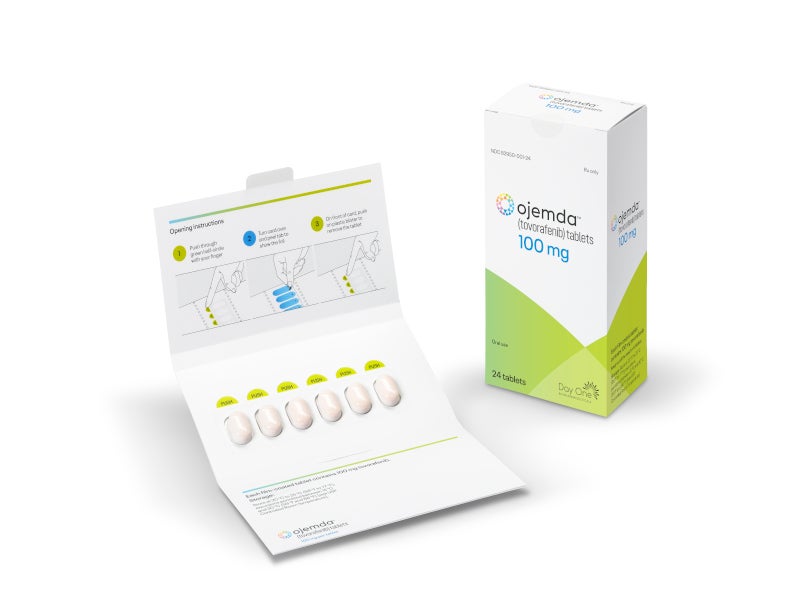
Judging from patients’ actual use experience, tovorafenib is convenient to take orally and only needs to be taken once a week, which significantly reduces the treatment burden. This delivery method is particularly important for pediatric patients and families because it reduces frequent hospital visits and medication management stress, improving patient compliance and quality of life. During the treatment process, most patients' side effects are controllable, with common side effects including rash, mild fatigue, fever, and abnormal laboratory indicators such as decreased blood phosphorus and mild anemia. Clinical practice shows that most of these side effects can be alleviated through symptomatic treatment or dosage adjustment without affecting the overall treatment effect. Patients and family members generally report that compared with traditional chemotherapy or continuous daily oral targeted drugs, the once-a-week medication mode is easier to manage and allows children to maintain a normal life and study rhythm during treatment.
Although tovorafenib has shown good efficacy in children's low-grade gliomas, the problem of drug resistance cannot be ignored. Tumor cells may develop drug resistance by activating downstream signaling pathways, developing novel mutations, or other compensatory mechanisms, resulting in reduced efficacy. Therefore, the combination of tovorafenib with other targeted drugs (such as MEK inhibitors) is being explored clinically to extend the efficacy and overcome drug resistance. In addition, the use of the drug in adults and other types of BRAF-driven tumors is still in the research stage, and more clinical data are needed to support its broad applicability. In terms of drug accessibility, since toborafenib is a newly approved drug and has not yet been launched in some countries and regions, domestic patients still need to obtain it through clinical trials or overseas formal channels. Therefore, the difficulty and cost of obtaining the drug for patients are still real problems.
Overall, tovorafenib provides significant therapeutic benefits for patients with relapsed or refractory pediatric low-grade glioma. It precisely targets the BRAF driving mechanism, allowing patients to achieve tumor response within a shorter course of treatment while being well tolerated. Both clinical trials and real-world experience have demonstrated its value in increasing progression-free survival, improving quality of life, and providing new treatment options for drug-resistant patients. In the future, with the clinical verification of more indications, the improvement of drug resistance management strategies, and the improvement of drug launch and accessibility, tovorafenib is expected to play a key role in more patients with BRAF-driven tumors and become an important choice for precision targeted therapy. It will also bring longer-term survival benefits and improvement in quality of life to patients with drug resistance or relapse.
Reference materials:https://www.drugs.com/
[ 免责声明 ] 本页面内容来自公开渠道(如FDA官网、Drugs官网、原研药厂官网等),仅供持有医疗专业资质的人员用于医学药学研究参考,不构成任何治疗建议或药品推荐。所涉药品可能未在中国大陆获批上市,不适用于中国境内销售和使用。如需治疗,请咨询正规医疗机构。本站不提供药品销售或代购服务。


