
.jpeg)
Research on the role and clinical application of voclosporin in the adjuvant treatment of in vitro fertilization transplantation
Voclosporin (Voclosporin) is a new type of selective calcineurin inhibitor, which belongs to the class of immunosuppressive drugs and is mainly used for the treatment of autoimmune diseases, such as systemic lupus erythematosus (SLE) accompanied by active lupus nephritis. In the field of reproductive medicine, especially in assisted reproductive technology (ART) such as in vitro fertilization (IVF), immune factors are considered to be important factors affecting embryo implantation and pregnancy success rates. Some women have endometrial immune activation or autoimmune abnormalities, which may lead to embryo implantation failure, recurrent miscarriage, or poor pregnancy. By regulating the activity of T lymphocytes and inhibiting the release of inflammatory mediators, cyclosporin can improve the immune environment of the endometrium, thereby providing more stable and favorable conditions for embryo implantation.
In clinical studies, cyclosporine has been used as adjuvant treatment in patients with immune infertility or recurrent implantation failure. Its mechanism of action is mainly by inhibiting calcineurin activity, blocking TT cell activation and cytokine secretion, thereby reducing the local inflammatory response in the endometrium. Studies have shown that in patients with recurrent embryo implantation failure who received auxiliary treatment with cyclosporine, the immune indicators of the endometrium were significantly improved, which enhanced the compatibility between the embryo and the maternal immune system, and improved the embryo implantation rate and clinical pregnancy rate. In addition, the regulatory effect of cyclosporine on B lymphocytes and natural killer cells (NK cells) also helps reduce the risk of immune rejection and provides a more stable living environment for embryos.
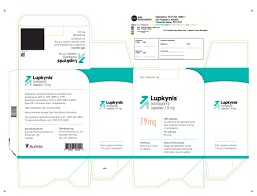
Regarding efficacy and safety, multiple clinical observations and trials have shown that cyclosporine is generally well tolerated for short-term use in assisted reproduction. Common adverse reactions include mild hypertension, headache, mild elevation of liver enzymes, and gastrointestinal discomfort, but most symptoms are mild and can be relieved by dose adjustment or short-term symptomatic treatment. Since cyclosporine is an immunosuppressant, long-term use at high doses may increase the risk of infection, so short-term, low-dose regimens are usually used during IVF cycles to ensure safety. Clinicians usually develop individualized dosage plans based on the patient's immune indicators, previous pregnancy history and individual tolerance, and closely monitor blood pressure, liver function and blood routine during treatment to reduce potential risks.
Actual feedback from patients using cyclosporine to assist in vitro fertilization transplantation shows that the drug can improve the embryo implantation environment to a certain extent and increase the success rate of pregnancy. Especially for patients with repeated implantation failure due to immune factors, short-term application of cyclosporine can significantly improve endometrial receptivity and reduce the risk of recurrent miscarriage. However, cyclosporin is not a necessary drug for all infertile patients. Its use must strictly follow the doctor's guidance and be managed individually in combination with immunological testing and comprehensive assessment of assisted reproduction. In addition, patients should clarify their disease status and previous medication history before treatment to avoid potential drug interactions and adverse events.
Overall, the application of cyclosporine in auxiliary treatment of IVF provides a new treatment option for patients with immune infertility and recurrent embryo implantation failure. By inhibitingTActivating lymphocytes and improving the immune environment of the endometrium, this drug can increase the embryo implantation rate and pregnancy success rate. Clinical application needs to be combined with individualized assessment, reasonable dosage and short-term use strategies, as well as strict monitoring to ensure efficacy and safety. With the accumulation of more clinical research and practice, cyclosporin is expected to become an important drug in immunomodulatory assisted reproductive treatment, bringing new hope to patients with repeated implantation failures or immune pregnancy problems.
Reference materials:https://www.drugs.com/
[ 免责声明 ] 本页面内容来自公开渠道(如FDA官网、Drugs官网、原研药厂官网等),仅供持有医疗专业资质的人员用于医学药学研究参考,不构成任何治疗建议或药品推荐。所涉药品可能未在中国大陆获批上市,不适用于中国境内销售和使用。如需治疗,请咨询正规医疗机构。本站不提供药品销售或代购服务。


