
.jpeg)
The effect of entrectinib/Luo Shengquan in the treatment of brain metastasis
Entrectinib (Entrectinib), as a targeted drug, has significant efficacy especially in tumors positive for NTRK, ROS1 and ALK gene mutations. For patients with brain metastases, entrectinib also shows excellent therapeutic effects, especially for those patients with ROS1 gene fusion-positive or NTRK gene fusion non-small cell lung cancer, liver cancer and other tumors, in which the incidence of brain metastases is higher. Brain metastasis is one of the common complications in tumor patients. It seriously affects the patient's quality of life and treatment effects, and traditional chemotherapy and radiotherapy have limited effects on the brain.
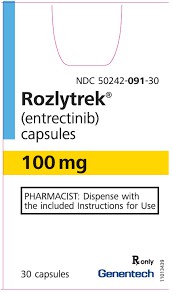
The unique advantage of entrectinib in the treatment of brain metastases is mainly reflected in its ability to effectively penetrate the blood-brain barrier. Compared with traditional targeted therapies, entrectinib can effectively control the growth of brain metastases while treating peripheral tumors by targeting the abnormal activity of gene fusions such as ROS1 and NTRK. This penetrability makes entrectinib an important option for the treatment of patients with brain metastases.
Clinical studies have shown that entrectinib is more effective than many traditional chemotherapy drugs in patients with brain metastases. After patients took entrectinib, the shrinkage rate of brain lesions was relatively high, and some patients showed significant improvement in clinical symptoms, such as relief of headaches and reduction of neurological symptoms. In addition, the side effects of entrectinib are relatively mild, with common ones including mild fatigue, loss of appetite, and rash, allowing patients to maintain a better quality of life while receiving treatment.
However, although entrectinib has shown good efficacy in many patients with brain metastases, not all patients will benefit from it. Individual differences will still affect the effectiveness of treatment, especially factors such as the patient's genetic mutation type and the location and size of brain metastases. Therefore, when doctors formulate treatment plans for patients, they still need to consider multiple factors and choose the most appropriate treatment strategy.
Reference materials:https://www.roche.com/products/rozlytrek
[ 免责声明 ] 本页面内容来自公开渠道(如FDA官网、Drugs官网、原研药厂官网等),仅供持有医疗专业资质的人员用于医学药学研究参考,不构成任何治疗建议或药品推荐。所涉药品可能未在中国大陆获批上市,不适用于中国境内销售和使用。如需治疗,请咨询正规医疗机构。本站不提供药品销售或代购服务。


