
.jpeg)
Detailed instructions and clinical application reference for Apremilast (Otelor)
Apremilast is an oral small molecule phosphodiesterase 4 (PDE4) inhibitor, mainly used to treat immune-mediated diseases such as moderate to severe psoriasis and psoriatic arthritis. Its mechanism of action is to inhibit PDE4 activity, increase intracellular cyclic adenosine monophosphate (cAMP) levels, regulate the expression of cytokines in inflammatory cells, thereby reducing pro-inflammatory factors such as TN The production of F-α, IL-17 and IL-23, while increasing the expression of anti-inflammatory factor IL-10. This mechanism enables apremilast to effectively control skin inflammation, joint pain and redness, while also regulating the systemic immune environment.
According to clinical trial data, apremilast has shown significant efficacy in patients with psoriasis. When used for patients with moderate to severe psoriasis vulgaris, after 16 weeks of treatment, approximately 30% to 40% of patients can achieve the Psoriasis Area and Severity Index 75 (PASI 75, which is a 75% improvement in lesion area and severity index), accompanied by significant improvements in pruritus and quality of life. For patients with psoriatic arthritis, apremilast can improve joint pain and swelling, with some patients experiencing clinical symptom relief within 12 to 24 weeks. Compared with traditional immunosuppressants, apremilast is administered orally, has stable onset of action, and does not require injections, making patients more compliant.
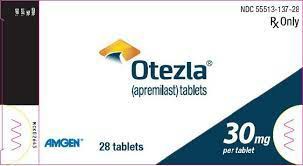
In terms of usage and dosage, apremilast generally starts with a low dose and is gradually increased to reduce gastrointestinal discomfort. The usual adult dose is an early titration to a maintenance dose of 30 mg twice daily. Medication can be taken without being affected by meals, but some patients may experience mild gastrointestinal reactions, such as diarrhea, nausea, abdominal pain, etc., on an empty stomach or after eating, which are usually mild to moderate and gradually resolve over time. During long-term treatment, doctors will regularly evaluate the efficacy and adverse reactions, and adjust the dose based on the patient's weight, symptom control, and tolerance.
In terms of safety, apremilast is generally well tolerated, but some patients may experience weight loss, mood swings, or mild to moderate gastrointestinal discomfort. A few patients experience symptoms such as headache, insomnia or dry mouth in the early stages of use, but most of them can be relieved without stopping the medication. Compared with traditional immunosuppressants, apremilast carries a lower risk of serious infection or liver and kidney damage, and therefore has a higher safety profile in long-term maintenance treatment. For pregnant or lactating patients, there is still a lack of sufficient clinical data, and they should be used under the guidance of a doctor after weighing the risks and benefits.
In clinical application, apremilast is suitable for patients with moderate to severe psoriasis vulgaris, psoriatic arthritis, and patients who have failed to respond to traditional topical or systemic treatments. It can be used alone or in combination with other treatment options after a doctor's evaluation to improve skin symptoms and joint function. Regular follow-up assessment of PASI, joint symptoms and quality of life indicators can help doctors optimize treatment plans to achieve long-term disease control and improve patients' quality of life.
Overall, apremilast is a safe and effective oral immunomodulatory drug suitable for patients who need long-term control of psoriasis and psoriatic arthritis. Through reasonable dose adjustment, individualized treatment and regular monitoring, adverse reactions can be minimized while ensuring efficacy, providing patients with convenient and continuous treatment options.
Reference materials:https://www.drugs.com/
[ 免责声明 ] 本页面内容来自公开渠道(如FDA官网、Drugs官网、原研药厂官网等),仅供持有医疗专业资质的人员用于医学药学研究参考,不构成任何治疗建议或药品推荐。所涉药品可能未在中国大陆获批上市,不适用于中国境内销售和使用。如需治疗,请咨询正规医疗机构。本站不提供药品销售或代购服务。


