
.jpeg)
Advantages and clinical prospects of safinamide tablets (Sidac), a new Parkinson’s drug to be launched soon
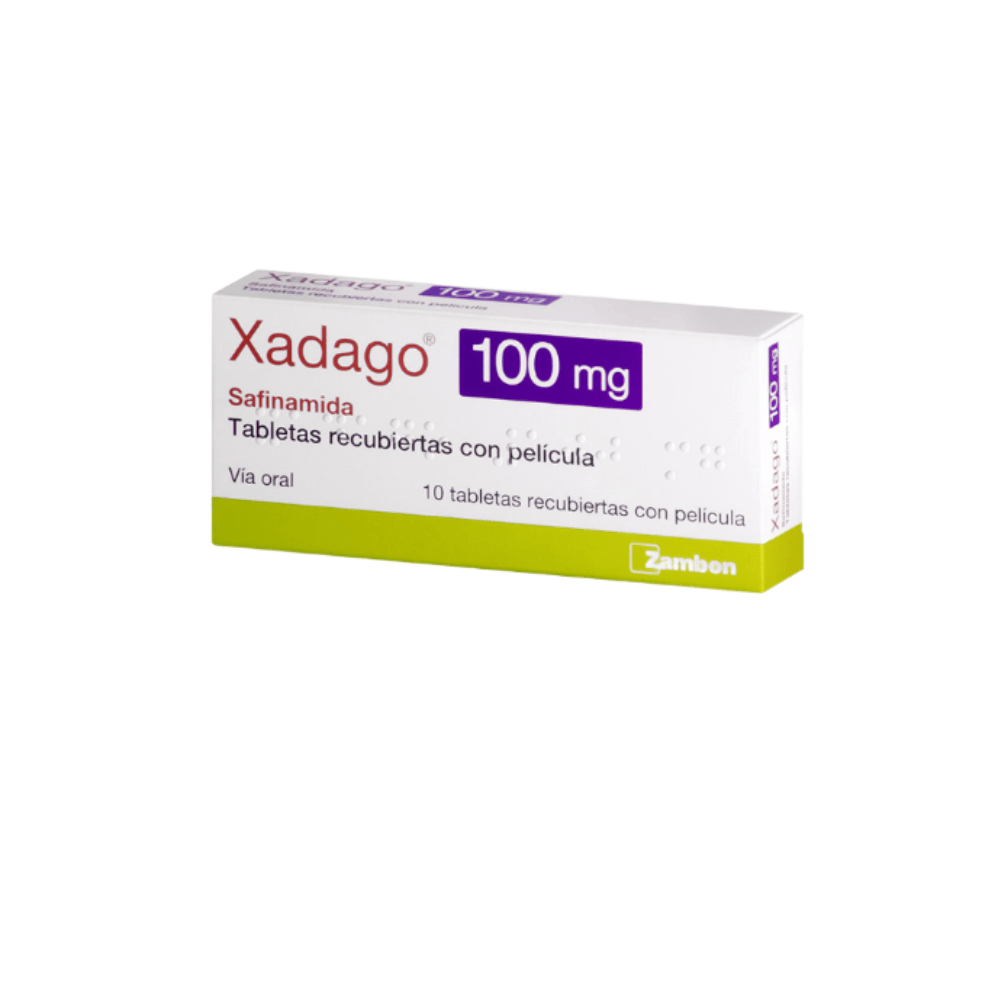
Safinamide (English name safinamide, also known as safinamide mesylate) is a selective and reversible monoamine oxidase B (MAO‑B) inhibitor, which also has non-dopaminergic regulatory effects (mainly acting on glutamate release), which gives it a dual mechanism in the treatment of Parkinson's disease (PD). Unlike traditional MAO-B inhibitors, safinamine not only reduces dopamine degradation but also mitigates glutamate (glutamate)-mediated excitotoxicity, a multi-target mechanism that brings potential advantages.
First, when it comes to motor symptoms, both clinical studies and real-world observations have shown that safinamine, when used in combination with levodopa, significantly improves the "on" to "off" fluctuations. For those patients who have been using levodopa for a long time but still have motor fluctuations (especially aggravation of the "off period"), safinamide can be used as an add-on option to increase dopamine by inhibiting MAO-B while its glutamate regulatory effect helps reduce motor instability. According to a Meta analysis and review, safinamine demonstrated a good balance between improvement in exercise and safety compared to irreversible MAO-B inhibitors such as rasagiline, with its 100 mg The dose is more effective in improving motor symptoms, while lower doses (such as 50 mg) are safer.
Secondly, the potential benefits of safinamide in non-motor symptoms (NMS) are also outstanding. According to a meta-analysis and real-world studies, patients reported improvements in motor symptoms such as tremors, bradykinesia, and stiffness after using safinamide, as well as benefits in areas such as fatigue, pain, mood, and sleep. In particular, for chronic pain, a symptom that is often overlooked in PD patients, a 2 year study (an extension of study 018 ) found that safinide significantly reduced patients' dependence on auxiliary analgesics. In the study, the safinamide group had statistically significant improvements in PDQ 39 (Parkinson's Disease Quality Scale)-related "cramping" and "heat and cold discomfort" items compared with the placebo group, as well as a decrease in the use of analgesics. This indicates that safinamine may play a positive role in improving patients' overall quality of life.
Thirdly, from the perspective of long-term safety and tolerability, actual clinical experience is also relatively optimistic. A retrospective real-world study included 180 patients with PD . The median follow-up time was approximately 40 months, and the patient discontinuation rate was only 7.8%. In patients who continue to receive treatment, their motor scores (UPDRS III) are basically stable, indicating that they have better long-term control of motor symptoms. Compared with some other drugs that have higher discontinuation rates due to poor tolerance and accumulation of toxicity due to long-term use, the tolerability advantage of safinamide in real clinical practice deserves attention.
Finally, the application prospects of safinamine in China and the global market are worth looking forward to. According to public reports, in December 2024, the State Food and Drug Administration of China approved the domestic marketing of safinamide mesylate for "patients with idiopathic Parkinson's disease who are receiving stable doses of levodopa and have motor fluctuations." This listing means that Chinese patients will have the opportunity to obtain this new mechanism drug, thereby filling the gaps in current treatment options. Considering the large number of Parkinson's disease patients in China's aging population, as well as the difficulties in the clinical management of motor fluctuations ("Off-On" ) and non-motor symptoms, safinamide has the potential to develop into an important dosing option.
However, there are also some challenges: the price may be higher, and the financial burden on patients cannot be ignored; in addition, whether it has long-term benefits for some specific patients, how to optimize the dose (50 mg vs 100 mg), and its interaction with other Parkinson's drugs (such as DA Receptor agonists, COMT inhibitors), the optimization of the combined use strategy requires further support from clinical practice and research data. At the same time, monitoring of individual drug resistance, comorbid diseases (such as cardiovascular problems) and potential side effects (such as hypertension, anxiety, etc.) should also become an important part of clinical application.
In summary, safinamine, as a new type of MAO‑B inhibitor with a dual mechanism of action, shows significant advantages in terms of motor fluctuations, non-motor symptoms (especially chronic pain) and long-term tolerance. With its domestic launch and clinical promotion, its status in the Parkinson's disease treatment spectrum is expected to continue to improve. If more real-world and clinical trial data support its widespread application in the future, safinide is likely to become an important treatment option for patients with moderate to advanced PD especially those with motor fluctuations and heavy non-motor burden.
Reference materials:https://www.drugs.com/
[ 免责声明 ] 本页面内容来自公开渠道(如FDA官网、Drugs官网、原研药厂官网等),仅供持有医疗专业资质的人员用于医学药学研究参考,不构成任何治疗建议或药品推荐。所涉药品可能未在中国大陆获批上市,不适用于中国境内销售和使用。如需治疗,请咨询正规医疗机构。本站不提供药品销售或代购服务。


