
.jpeg)
Telisotuzumab-EMRELIS common side effects and long-term medication safety and risk tips
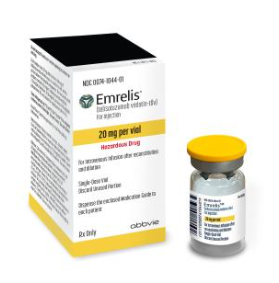
Telisotuzumab (trade name EMRELIS) is a new type of targeted therapy drug that belongs to the anti-c-Met monoclonal antibody class. It specifically binds to the c-Met receptor and inhibits its abnormal activation of signaling pathways, thereby blocking tumor cell proliferation, migration and invasion. Clinical studies have shown that terituzumab has significant efficacy in patients with non-small cell lung cancer (NSCLC) with high expression or amplification of c-Met , especially in relapsed / refractory patients who have previously failed standard chemotherapy or other targeted therapies, showing potential advantages. However, as a targeted monoclonal antibody drug, terituzumab still has a certain risk of side effects during clinical application and requires long-term monitoring and scientific management.
Judging from the reported clinical research data, the common side effects of territuzumab mainly include hematological abnormalities, digestive system reactions, and mild to moderate increases in liver function indicators. Some patients will experience mild to moderate nausea, vomiting, diarrhea or loss of appetite after treatment, which may be accompanied by symptoms of fatigue and weakness. In terms of hematology, neutropenia, thrombocytopenia, etc. may occur. Although most of them are reversible, regular blood routine monitoring is still required to prevent the risk of infection or bleeding. For patients with abnormal liver function indicators, liver function evaluation should be performed before medication, and the dose should be adjusted or delayed if necessary.
In terms of long-term drug safety, terituzumab is generally well tolerated, but attention still needs to be paid to cumulative toxicity and potential immune-related adverse reactions. Since its target involves the c-Met signaling pathway, long-term inhibition may have certain effects on normal tissues, such as possibly causing mild edema or skin reactions. In addition, a small number of patients may experience allergic reactions or injection site reactions, which are usually more noticeable during the first or first few doses. Clinical practice suggests that patients should have regular blood routine, liver and kidney function and electrocardiogram monitoring during long-term use, so that abnormalities can be detected and dealt with early.
In terms of risk warning, terituzumab has not yet been widely marketed in China, and clinical use experience is limited, so it must be used strictly in accordance with the guidance of a doctor. The patient's c-Met status and previous treatment history should be clarified before use. Caution should be exercised in patients with cardiovascular disease, abnormal liver and kidney function, or compromised immune systems. If serious adverse reactions occur during treatment, the drug should be discontinued immediately and symptomatic treatment should be taken. At the same time, under the guidance of a multidisciplinary team, it should be evaluated whether to adjust the dose or change the treatment plan. Overall, as a c-Met targeted drug, terituzumab has significant efficacy and controllable safety, but requires long-term follow-up and scientific management to maximize efficacy and reduce medication risks.
Reference materials:https://www.drugs.com/
[ 免责声明 ] 本页面内容来自公开渠道(如FDA官网、Drugs官网、原研药厂官网等),仅供持有医疗专业资质的人员用于医学药学研究参考,不构成任何治疗建议或药品推荐。所涉药品可能未在中国大陆获批上市,不适用于中国境内销售和使用。如需治疗,请咨询正规医疗机构。本站不提供药品销售或代购服务。


