
.jpeg)
What is the difference between Sorafenib/Nexavar and Regorafenib
Sorafenib/Nexavar (Sorafenib) and Regorafenib (Regorafenib) are both targeted therapeutic drugs. They are both tyrosine kinase inhibitors and have certain similarities in the treatment of cancer. However, they have significant differences in pharmacological mechanisms, indications and clinical applications.
First of all, sorafenib, as a multi-target tyrosine kinase inhibitor, mainly treats malignant tumors such as hepatocellular carcinoma (HCC) and renal cell carcinoma (RCC) by inhibiting tumor angiogenesis and cancer cell proliferation. It inhibits multiple tyrosine kinases, such as VEGFR, PDGFR, RAF, etc., and can effectively inhibit tumor growth and metastasis. The main applications of sorafenib include first-line treatment and remission of metastatic cancer, especially as one of the standard treatment options for patients with liver and kidney cancer.
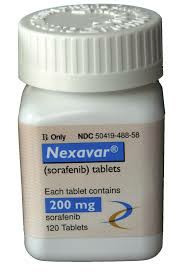
Regorafenib (Regorafenib) is a subsequent development of sorafenib. It is used as a "second-line" treatment drug to treat certain types of cancer after sorafenib treatment fails. Regorafenib has similar targets to sorafenib, but its mechanism of action is broader and can inhibit more tyrosine kinases, including VEGFR, FGFR, KIT, etc., further expanding its therapeutic indications. Regorafenib is mainly used to treat patients with metastatic colorectal cancer, gastrointestinal stromal tumors (GIST), and advanced liver cancer, especially in patients who have failed sorafenib treatment. It not only controls tumor growth, but also effectively reduces tumor metastasis.
In terms of side effects, the side effects of sorafenib and regorafenib have some similarities, such as rash, hand-foot syndrome, hypertension, and diarrhea. However, the side effects of regorafenib are generally more obvious, especially diarrhea and abnormal liver function, and require more strict monitoring when used. In addition, regorafenib, as a second-line treatment, has relatively limited indications and is usually used to treat patients whose disease has progressed after sorafenib treatment.
Reference materials:https://www.nexavar.com/
[ 免责声明 ] 本页面内容来自公开渠道(如FDA官网、Drugs官网、原研药厂官网等),仅供持有医疗专业资质的人员用于医学药学研究参考,不构成任何治疗建议或药品推荐。所涉药品可能未在中国大陆获批上市,不适用于中国境内销售和使用。如需治疗,请咨询正规医疗机构。本站不提供药品销售或代购服务。


