
.jpeg)
Monthly dosage specifications of Everolimus/Afinitor
Everolimus (Everolimus) is an oral immunosuppressant that mainly exerts its anti-tumor and anti-immune functions by inhibiting the mTOR (mammalian target of rapamycin) signaling pathway. It is widely used in the treatment of many types of cancer and certain genetic diseases, such as breast cancer, neuroendocrine tumors, renal cell carcinoma, tuberous sclerosis, etc. The monthly dose of everolimus is usually adjusted according to different diseases and patient conditions to ensure maximum therapeutic effect and minimize side effects.
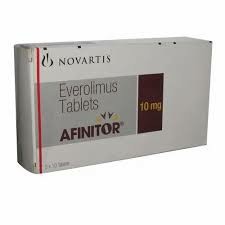
For patients with breast cancer, neuroendocrine tumors, renal cell carcinoma, and renal angiomyolipoma associated with tuberous sclerosis complex (TSC), the standard recommended dose is 10 mg once daily. This is a general treatment plan and suitable for most patients. In practice, dosage adjustments depend on patient tolerance and clinical response. If a patient experiences serious side effects, the doctor may lower the dose or temporarily stop the medication to control the side effects. .
For patients with tuberous sclerosis-related subependymal giant cell astrocytoma (SEGA), the recommended starting dose is 4.5 mg/m² once daily. Such patients usually need to calculate the dose based on body surface area, rather than relying solely on weight or age. The purpose is to accurately adjust the drug dose to ensure that the concentration of the drug in the blood is maintained between 5-15ng/mL, so that the drug can exert its effect within the optimal range and reduce the occurrence of side effects. For such patients, blood drug concentration monitoring is particularly necessary to avoid drug concentrations that are too high or too low.
For patients with partial-onset epilepsy associated with tuberous sclerosis, the recommended starting dose is5 mg/m² taken orally once daily. Similar to patients with SEGA, the dose in patients with epilepsy needs to be adjusted based on body surface area. During the treatment process, the patient's blood concentration needs to be maintained between 5-15 ng/mL, which usually requires finer adjustments. Regularly check the drug concentration and side effects to ensure the patient's therapeutic effect and safety.
Reference materials:https://www.drugs.com/everolimus.html
[ 免责声明 ] 本页面内容来自公开渠道(如FDA官网、Drugs官网、原研药厂官网等),仅供持有医疗专业资质的人员用于医学药学研究参考,不构成任何治疗建议或药品推荐。所涉药品可能未在中国大陆获批上市,不适用于中国境内销售和使用。如需治疗,请咨询正规医疗机构。本站不提供药品销售或代购服务。


