
.jpeg)
Efficacy and mechanism of action of bimekizumab
Bimekizumab (Bimekizumab) is an innovative monoclonal antibody. As a targeted therapy, it is mainly used to treat skin inflammatory diseases caused by immune system abnormalities. It has been particularly effective in treating plaque psoriasis (also known as psoriasis). Bicizumab is unique in that it can precisely inhibit two key cytokines in the immune system, thereby effectively reducing inflammation, relieving patients' symptoms, and improving quality of life.
Bicizumab exerts its anti-inflammatory effect through the mechanism of dual targetingIL-17A and IL-17F, two cytokines. IL-17A and IL-17F are important cytokines secreted by T cells and participate in a variety of immune and inflammatory responses, especially playing a key role in the occurrence and development of chronic immune diseases such as psoriasis.
IL-17A is one of the first cytokines discovered, and it plays a crucial role in the pathogenesis of psoriasis. IL-17A promotes the proliferation and maturation of keratinocytes and increases the penetration of inflammatory cells, leading to an inflammatory response in the skin and ultimately leading to the typical symptoms of psoriasis, such as scales and erythema. IL-17F and IL-17A have similar effects in cytokine storm, and their synergistic effect aggravates the pathological process.
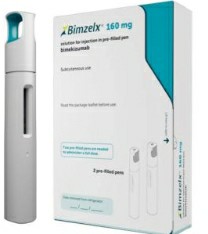
Bicizumab blocks the interaction between these two cytokines and their receptors by inhibiting the binding ofIL-17A and IL-17F, thus inhibiting the process of inflammatory response and abnormally active immune system. Through this mechanism, bicizumab can significantly reduce the immune system's attack on the skin, relieve skin inflammatory response, and reduce skin damage.
Bicizumab's mechanism of action has unique advantages over traditional psoriasis treatments. Traditional therapeutic drugs usually only inhibit a single immune pathway, while bicizumab provides a more comprehensive treatment plan by inhibiting two key immune factors simultaneously. The dual targeting effect of this mechanism enables bicizumab to show strong efficacy in reducing pathological symptoms.
The clinical application of bicizumab is mainly concentrated in the field of dermatology, especially the treatment of psoriasis. Psoriasis is a chronic immune disease that usually presents as red, scaly patches on the skin, often accompanied by symptoms such as itching and pain. The exact cause of the disease is not yet fully understood, but it is closely related to abnormalities in the immune system, especially the abnormal activation of IL-17A and IL-17F cytokines.
Studies have shown that bicizumab can significantly improve skin inflammation and reduce symptoms in a short period of time when treating patients with moderate to severe or moderate psoriasis. Compared with other targeted therapeutic drugs, bichizumab has shown stronger efficacy in clinical trials, especially in relieving skin lesions and reducing erythema and scale. Many patients see significant improvement in their skin condition within a few weeks of treatment, and the results are long-lasting.
In addition to psoriasis, bichizumab is also being studied for the treatment of other immune diseases, such as rheumatoid arthritis. Although currently used mainly for the treatment of psoriasis, its potential in other immune diseases is still under further investigation.
Reference materials:https://www.drugs.com/bimekizumab.html
[ 免责声明 ] 本页面内容来自公开渠道(如FDA官网、Drugs官网、原研药厂官网等),仅供持有医疗专业资质的人员用于医学药学研究参考,不构成任何治疗建议或药品推荐。所涉药品可能未在中国大陆获批上市,不适用于中国境内销售和使用。如需治疗,请咨询正规医疗机构。本站不提供药品销售或代购服务。


