
.jpeg)
What are the common side effects of Osimertinib (Tagrisso) and how to deal with them
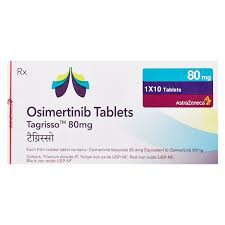
Osimertinib is a third-generation EGFR targeted drug. It is mainly used for the treatment of non-small cell lung cancer carrying EGFR mutations (such as Exon19 deletion, L858R, T790M). It is also a commonly used first-line clinical regimen. Although the overall tolerability is good, multi-system adverse reactions may still occur due to targeting the EGFR pathway. Understanding these common side effects and mastering reasonable coping strategies can help improve treatment compliance, reduce the risk of discontinuation, and maintain long-term efficacy.
One of the most common side effects of osimertinib is skin problems such as rash, dry skin, and itching. Since EGFR plays an important role in skin barrier renewal, drug blockage can easily cause hair follicles and sebaceous glands to be affected, resulting in papule-like rashes, small bumps on the face or scalp, and redness and swelling around nails. It usually appears 2–4 weeks after taking the medication, and some patients will relapse as the treatment continues. It is recommended to use fragrance-free, mild moisturizers on a daily basis, mostly moisturizers, petroleum jelly, etc.; use sunscreen when going out; and avoid excessive cleansing. If the rash is more obvious, your doctor can prescribe oral antibiotics containing erythromycin or doxycycline, or topical weak to medium-acting steroid ointments for relief. If paronychia occurs, soak in warm water for 10–15 minutes every day, keep the area around the nails clean and dry, and use antibiotic ointment if necessary.
Gastrointestinal reactions are also common side effects of osimertinib, including diarrhea, loss of appetite, mild nausea and occasional vomiting. Most diarrhea is mild, occurring 1–3 times a day, and belongs to the milder category of EGFR inhibitors. Patients can find relief by eating small amounts more frequently, avoiding greasy and spicy foods, and reducing the intake of coffee and dairy products. If diarrhea is obvious, antidiarrheal drugs such as loperamide can be taken under the guidance of a doctor. Nausea is usually short-lived, and discomfort can be reduced by taking medication after meals and maintaining a light diet. If diarrhea lasts for more than three days and is accompanied by signs of dehydration (such as fatigue, dizziness, decreased urine output), you need to contact your doctor promptly to prevent electrolyte imbalance from affecting treatment.
Relatively specific side effects of osimertinib are cardiac-related risks, including QTc prolongation of the QTc interval and mild decrease in cardiac function. Although the incidence is not high, it still needs to be taken seriously. Patients who are elderly, have pre-existing cardiac diseases, and have long-term use of other drugs that prolong QT are at higher risk. It is recommended to perform electrocardiogram and echocardiogram before starting treatment and every 1–3 during treatmentRepeat the inspection every month. If palpitations, chest tightness, obvious fatigue or shortness of breath occur, seek medical attention promptly. Your doctor may decide whether to adjust the dose or temporarily stop the medication based on the results. It usually recovers after a short period of discontinuation of medication and correction of electrolytes.
Pneumonitis (interstitial lung disease, ILD) is a rare but potentially serious side effect of osimertinib. Some patients develop dry cough, chest tightness, dyspnea and other symptoms during the initial treatment period or after several months of treatment. Any suspicious symptoms require immediate medical evaluation and, if necessary, a CT examination. If drug-related pneumonia is diagnosed, the drug should be stopped immediately and treated with glucocorticoids under the guidance of a doctor. Most patients can recover after timely treatment, but if the symptoms are severe, they should follow the doctor's advice to decide whether they need to permanently discontinue the drug and change the regimen.
In addition, osimertinib may also cause mild fatigue, anemia, leukopenia, oral mucositis, dry eyes, etc. Fatigue usually lessens as you adapt to treatment. Maintaining a regular schedule and moderate activities can help improve the condition. If you experience oral pain, you can rinse your mouth with warm salt water, reduce your intake of irritating foods, and keep your mouth moist. If your eyes are dry, you can use artificial tears. If you have blurred vision, you should seek medical attention promptly to check for cornea-related problems.
Overall, most of the side effects of osimertinib are controllable. Through standardized monitoring, timely treatment, and reasonable dosage adjustment, most patients can take it safely for a long time and maintain its efficacy. During treatment, blood routine, liver and kidney function and electrocardiogram should be reviewed every 4–8 weeks, and changes in skin, respiratory and gastrointestinal symptoms should be noted. If discomfort can be identified early and measures taken, the risk of discontinuation can be significantly reduced and treatment continuity ensured.
Reference materials:https://www.drugs.com/
[ 免责声明 ] 本页面内容来自公开渠道(如FDA官网、Drugs官网、原研药厂官网等),仅供持有医疗专业资质的人员用于医学药学研究参考,不构成任何治疗建议或药品推荐。所涉药品可能未在中国大陆获批上市,不适用于中国境内销售和使用。如需治疗,请咨询正规医疗机构。本站不提供药品销售或代购服务。


