
.jpeg)
Possible serious adverse reactions of Apremilast (Otelor) and their countermeasures
Apremilast is an oral small molecule PDE-4 inhibitor that is widely used to treat psoriasis, psoriatic arthritis and some inflammatory skin diseases. Because it is not an immunosuppressant and does not require laboratory monitoring, its overall safety is good, but serious adverse reactions that require special attention may still occur in some patients. Understanding risks, identifying early signs, and implementing interventions are important to ensure the safety and continuity of treatment.
One of the most serious adverse reactions of apremilast that requires caution is Significant weight loss. Some patients may lose more than 5% of weight during treatment, and may even suffer from nutrient absorption disorders caused by reduced eating, worsening nausea, and long-term diarrhea. Significant weight loss may affect immune function, muscle mass, and overall health. In terms of response, doctors usually recommend recording baseline weight before treatment and regular monitoring within 4~12 weeks after treatment. If the weight loss exceeds 5%, it should be evaluated whether it is related to the drug. At the same time, the diet structure should be improved and the intake of high protein and high calories should be increased. Once persistent weight loss occurs and affects quality of life, your doctor may recommend lowering the dose to 30 mg daily or discontinuing the drug if necessary.
The second thing to be wary of is Severe gastrointestinal adverse reactions. Mild diarrhea is common with apremilast, but in a small number of patients, severe or refractory diarrhea, vomiting, dehydration, and electrolyte imbalance may develop, especially in the first 2 to 4 weeks of treatment. In this case, the first step is to closely observe the water and electrolyte balance and replenish water in time. If the symptoms are obvious, antidiarrheal drugs such as loperamide can be used for short-term auxiliary treatment. For patients whose diarrhea prevents them from eating or who loses weight rapidly, they should contact their doctor promptly to evaluate whether they need to temporarily stop taking the drug or adjust the dose. In addition, the elderly and patients with underlying gastrointestinal diseases need to be more cautious because they have poor tolerance and severe diarrhea may cause more complex health problems.
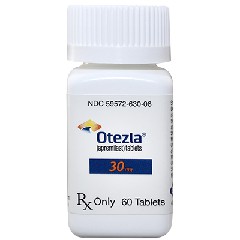
Apremilast may also cause relatively rare but serious psychological problems, including depressed mood, anxiety, insomnia and even suicidal thoughts. PDE-4 The inhibitory effect may theoretically affect a variety of neurotransmitters in the central nervous system, so we need to be alert to this potential risk. For patients with a history of depression or anxiety, their mental state should be evaluated before starting medication. If they experience mood swings, decreased interest, sleep disturbance, or any hint of self-injury during treatment, they should inform their doctor immediately. Coping strategies usually include close observation, dose reduction, and joint psychological counseling. In severe cases, drug discontinuation and psychiatric referral may be required. If a patient has a pre-existing mood disorder, they should carefully evaluate whether apremilast is the best option and choose alternative treatment options if necessary.
Another serious adverse reaction to note is an increased risk of infection. Although apremilast does not significantly suppress the immune system like biologics, PDE-4 suppression may slightly reduce the immune response in some people, making them more susceptible to upper respiratory tract infections, sinusitis, lung infections, etc. If high fever, worsening cough, purulent infection or other signs of infection occur, you should seek medical treatment promptly and evaluate whether it is related to the drug. Patients with weakened immune systems, such as the elderly and chronically ill patients, need to be monitored more closely during treatment. For those with confirmed infection, doctors may recommend temporarily stopping medication until the infection is controlled before continuing treatment.
In addition, attention should be paid to apremilast Allergic reactions and rare skin adverse reactions. Although extremely rare, some patients may develop rash, hives, or more serious drug-induced skin reactions. If you have difficulty breathing, swollen lips, or a large area of u200bu200bu200bu200brash, you should stop taking the medicine and seek medical advice immediately. For mild rashes, antihistamines can be used as auxiliary treatment under the guidance of a doctor, but still need to be monitored for exacerbation.
Overall, the long-term use of apremilast is safe, but you need to be vigilant about serious adverse reactions, especially rapid weight loss, severe gastrointestinal reactions, mood changes, and risk of infection. It is recommended that patients conduct a comprehensive evaluation before taking medication, maintain regular follow-up visits during medication, and promptly report physical changes to their doctors. With proper monitoring and management, most adverse reactions can be controlled to ensure that treatment effectiveness is maximized and safety is maintained.
Reference materials:https://www.drugs.com/
[ 免责声明 ] 本页面内容来自公开渠道(如FDA官网、Drugs官网、原研药厂官网等),仅供持有医疗专业资质的人员用于医学药学研究参考,不构成任何治疗建议或药品推荐。所涉药品可能未在中国大陆获批上市,不适用于中国境内销售和使用。如需治疗,请咨询正规医疗机构。本站不提供药品销售或代购服务。


