
.jpeg)
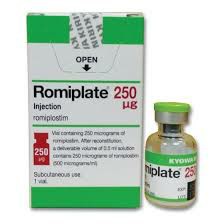
Complete interpretation of the Chinese drug instructions for use of Roprostim (Huierning)
Romiplostim is a recombinant human thrombopoietin receptor agonist (TPO-RA). It is mainly used to treat patients with chronic immune thrombocytopenic purpura (ITP), especially adults and children who have insufficient response to traditional treatments such as glucocorticoids, immunosuppressants, or splenectomy. It simulates the effect of thrombopoietin (TPO), activates the bone marrow megakaryocyte receptor (c-Mpl), promotes megakaryocyte differentiation and maturation, thereby significantly increasing the number of platelets and reducing the risk of bleeding. The following will provide a detailed analysis of indications, usage and dosage, adverse reactions, precautions and patient management.
Indications, usage and dosage
Roplastin is suitable for patients with chronic immune thrombocytopenic purpura in adults and children 1 years old and above. The recommended starting dose for adults is 1 subcutaneous injection per week. The dose can be gradually adjusted based on platelet response. The maximum dose is 10 μg/kg per week. The starting dose for children is usually 1 μg/kg per week, again adjusted based on body weight and platelet levels. The drug is administered by subcutaneous injection once a week. The injection site can be the anterolateral thigh, abdomen or outer upper arm, but injection into induration, redness or infected areas should be avoided. Disposable syringes should be used for each injection and strictly aseptic to reduce the risk of infection.
Hematology and efficacy monitoring
The main effect of Roprostim is to increase platelet count, so platelet levels should be monitored regularly during treatment. It is generally recommended to monitor platelet counts once a week and adjust dosage based on the results. When the platelet level reaches 50×10^9/L or above, the drug is considered to have significant efficacy. Maintaining a stable platelet count can reduce the incidence of bleeding events. It should be noted that too high platelet levels may increase the risk of thrombosis, so when the platelet count exceeds 400×10^9/L, the drug should be temporarily discontinued or the dose should be reduced. Platelet fluctuations are common in the early stages of treatment, and individualized dose adjustment is required based on blood dynamics.
Adverse reactions and treatments
Clinical studies have shown that the adverse reactions of roplastin are generally controllable, and commonly include headache, joint pain, myalgia, fatigue, fever, and injection site reactions (such as redness, swelling, pain, or induration). In hematology, the main risks are excessive platelet elevation or decreased rebound, and the risk of thrombosis. When platelets are too high, the drug can be temporarily stopped or the dose reduced; if a thrombotic event occurs, seek medical attention immediately and evaluate anticoagulation therapy. Long-term use also requires attention to the risk of myelofibrosis. Some patients may develop myelofibrosis or myelodysplasia after long-term medication. Therefore, it is recommended to undergo regular bone marrow examination or imaging evaluation. A small number of patients may experience allergic reactions and should be alert to symptoms such as rash, difficulty breathing, or facial swelling.
Medication precautions
Roplastin should be used strictly in accordance with the doctor's instructions. Do not adjust the dose or stop the drug without authorization. Patients should be evaluated for platelet levels, bleeding risk, and previous history of blood clots before starting treatment. Patients with abnormal liver and kidney function should use it with caution and monitor relevant indicators regularly during treatment. Since Roprostim is a subcutaneous injection drug, patients should receive professional training when self-injecting at home to ensure sterile operation and accurate dosage. At the same time, simultaneous use with other TPO receptor agonists or high-risk drugs for thrombosis should be avoided to reduce the risk of adverse events.
Patient education and follow-up management
Long-term use of loplastin requires the establishment of a standardized follow-up and monitoring mechanism. Patients should regularly review platelet count, liver function and necessary bone marrow indicators, and record bleeding or thrombosis-related symptoms. Educate patients to recognize warning signs, such as abnormal bleeding, blood clots, persistent headaches, or numbness in the limbs, and to seek medical attention promptly. Through regular blood monitoring, individualized dose adjustment, and symptomatic treatment, most patients can use Ropremilast safely and long-term to achieve stable platelet levels and reduce the risk of bleeding.
Roplastin, as an innovative treatment option for chronic ITP, with its efficient platelet-raising effect and relatively good tolerance, provides an important option for patients who are ineffective or dependent on traditional treatments. Standardized use, regular monitoring of blood images and adverse reactions, reasonable dosage adjustment, patient education and follow-up are the keys to ensuring efficacy and safety. Through scientific management, Roprostim can significantly improve patients' quality of life, reduce the risk of bleeding, and achieve long-term disease control.
Reference materials:https://www.drugs.com/
[ 免责声明 ] 本页面内容来自公开渠道(如FDA官网、Drugs官网、原研药厂官网等),仅供持有医疗专业资质的人员用于医学药学研究参考,不构成任何治疗建议或药品推荐。所涉药品可能未在中国大陆获批上市,不适用于中国境内销售和使用。如需治疗,请咨询正规医疗机构。本站不提供药品销售或代购服务。


