
.jpeg)
Clinical effect of serputinib/serpatinib (Ruitu) in the treatment of lung cancer
Selpercatinib is a highly selective RET inhibitor that has received widespread attention in the field of cancer treatment in recent years. Although the drug was first approved for RET-mutated medullary thyroid carcinoma (MTC), its clinical value has also been repeatedly discussed by the international medical community in the treatment of RET fusion-positive non-small cell lung cancer (NSCLC), and it has gradually established its positioning. From the perspective of lung cancer treatment, the emergence of seputinib represents the further deepening of the concept of "precise molecular typing" in clinical practice.
In traditional lung cancer treatment models, RET fusion is a relatively rare but highly driving genetic change. In the past, available options were limited, and patients often needed to receive chemotherapy or multi-target inhibitor treatment, with certain limitations in efficacy and tolerability. Seputinib highly selectively inhibits the RET signaling pathway and reduces non-specific interference with other kinases, making its therapeutic effect in RET fusion lung cancer more targeted. Research and real-world drug experience show that after receiving seputinib treatment, some patients have significantly longer tumor control times and effective slowdown of disease progression. This is one of the important reasons why it has been included in multinational lung cancer treatment guidelines.
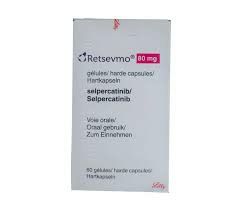
From the perspective of clinical experience, the advantages of seputinib in lung cancer patients are not only reflected in the efficacy, but also in the improvement of symptoms and maintenance of quality of life. Due to its stronger targeting, compared with early multi-target tyrosine kinase inhibitors, some patients' problems such as skin reactions and gastrointestinal discomfort during treatment are relatively controllable. When discussing the drug, the guidelines also repeatedly mentioned its potential advantages in long-term drug tolerance, which is particularly important for patients with advanced lung cancer who require continuous treatment.
It should be noted that the prerequisite for the application of seputinib in lung cancer is the clear presence of RET fusion or RET-related abnormality, which usually needs to be confirmed by molecular detection methods approved by the FDA or other authoritative agencies. Because of this, the drug is not suitable for all lung cancer patients, but is a typical "companion diagnostic" targeted therapy drug. This point has been repeatedly emphasized on medical websites and professional interpretations, and it is also the key to avoiding blind medication and improving the overall treatment success rate.
Combined with the FDA’s approval background, it can be seen that the development and application path of seputinib has obvious cross-cancer characteristics. Its success in medullary thyroid cancer has accumulated a lot of experience in RET-targeted therapy and indirectly promoted its clinical exploration in the field of RET fusion lung cancer. Although there are differences in biological behavior between different cancer types, the central role of the RET pathway in tumor growth provides a solid theoretical basis for the efficacy of seputinib in lung cancer. In the study, analysis of patient-reported outcomes also showed that compared with some traditional targeted drugs, patients treated with seputinib experienced relatively less side effects, which further supports its clinical benefit.
Overall, the clinical effect of seputinib inRET fusion treatment of non-small cell lung cancer is more reflected in the three aspects of "precision, stability and sustainability". It does not simply pursue short-term tumor reduction, but helps patients achieve more predictable disease control through long-term inhibition of key driving pathways. This treatment concept is also in line with the current international trend of lung cancer treatment shifting from "broad-spectrum medication" to "precision intervention by molecular classification."
Reference:https://en.wikipedia.org/wiki/Selpercatinib
[ 免责声明 ] 本页面内容来自公开渠道(如FDA官网、Drugs官网、原研药厂官网等),仅供持有医疗专业资质的人员用于医学药学研究参考,不构成任何治疗建议或药品推荐。所涉药品可能未在中国大陆获批上市,不适用于中国境内销售和使用。如需治疗,请咨询正规医疗机构。本站不提供药品销售或代购服务。


