
.jpeg)
Contraindications and precautions for Inavolisib
Inavolisib (Inavolisib) is a new generation of highly selective PI3Kα inhibitor, mainly used for patients with hormone receptor-positive, HER2-negative breast cancer driven by PIK3CA mutations. Since this drug directly acts on the core node of the PI3K/AKT signaling pathway, while inhibiting tumor growth, it may also affect normal metabolism and immune balance. Therefore, contraindications and caution in clinical applications need to be fully evaluated.
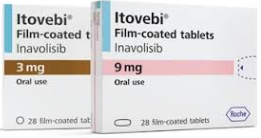
From the perspective of drug mechanism, inaliset is not suitable for patients with a clear history of allergy to its active ingredients or excipients. In the event of severe drug allergic reactions, such as rash, difficulty breathing, or general discomfort, the drug should be discontinued immediately and medical treatment should be provided. In addition, it should also be used with caution in patients with unidentified serious active infections. The PI3K pathway plays a certain role in the regulation of immune cell function. When the immune status is unstable or infection control is insufficient, the use of this type of targeted drugs may increase the risk of complications.
In terms of metabolism, inalise may affect glucose metabolism and insulin signaling pathways. Therefore, patients with previous poor blood sugar control, abnormal glucose metabolism, or insulin resistance need to be fully evaluated before treatment, and relevant indicators should be monitored regularly during treatment. Although it is not absolutely contraindicated, clinically it is usually recommended to use the drug with caution under the collaborative management of endocrinology and oncology departments to avoid potential metabolic risks.
Patients with abnormal liver function are also the group of people who need to pay special attention when using inaliside. PI3K inhibitors are mainly metabolized by the liver in the body. If the patient has moderate to severe liver damage, the drug exposure level may increase, thereby increasing the probability of adverse reactions. Therefore, it is a relatively consistent consensus in clinical practice to evaluate liver function before and after medication and adjust the treatment plan according to tolerance.
Reference materials:https://www.itovebi-hcp.com/
[ 免责声明 ] 本页面内容来自公开渠道(如FDA官网、Drugs官网、原研药厂官网等),仅供持有医疗专业资质的人员用于医学药学研究参考,不构成任何治疗建议或药品推荐。所涉药品可能未在中国大陆获批上市,不适用于中国境内销售和使用。如需治疗,请咨询正规医疗机构。本站不提供药品销售或代购服务。


