
.jpeg)
Can tenofovir alafenamide fumarate tablets (Vemlidy) effectively block HIV
Tenofovir alafenamide fumarate tablets (Vemlidy/Vemlidy) is an antiviral drug widely used in the field of liver disease. It is mainly used to treat chronic hepatitis B . Since its drug name contains "tenofovir", and tenofovir ingredients also play an important role in the treatment of AIDS (HIV), many patients and their families are prone to question: Can Veride also effectively block the HIV virus? To answer this question, professional distinctions need to be made from multiple perspectives such as drug structure, indication positioning, and clinical application principles.
From the source of ingredients, the core active ingredient of Veride is tenofovir alafenamide (TAF), which is a prodrug form of nucleoside (acid) reverse transcriptase inhibitors. The common feature of this class of drugs is that they can be converted into active metabolites within cells and exert an inhibitory effect on key enzymes in the virus replication process. For this reason, tenofovir-related ingredients have been involved in antiviral research on hepatitis B virus (HBV) and HIV (HIV), which is also the main reason for public confusion.
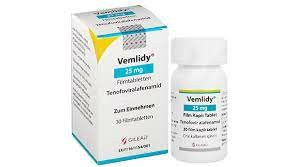
However, it needs to be made clear that Veride was clearly positioned as an anti-hepatitis B virus drug at the beginning of its development, and its dosage, applicable population, and long-term safety evaluation were all designed around patients with chronic hepatitis B. AlthoughTAF's active metabolite in the body has the potential to inhibit the HIV reverse transcription process, Veride has not been approved as a monotherapy or preventive drug for AIDS. Overseas authoritative guidelines generally emphasize that HIV treatment must use combined antiretroviral treatment regimens. The use of single-component drugs not only cannot effectively suppress the virus, but may also induce the risk of drug resistance.
In actual clinical practice, ifHIV-infected patients only take Veride, they will neither be able to achieve "effective blocking" of the HIV virus nor achieve the treatment goal of virological control. On the contrary, this kind of irregular use may also interfere with the subsequent selection of standard anti-HIV regimens. For this reason, overseas infectious disease academic circles generally do not recommend the use of Veride as an AIDS treatment or pre-exposure prophylaxis drug alone.
On the other hand, for people co-infected with hepatitis B and HIV, the situation is more complicated. In some standardized treatment plans, TAF-related components may be used as part of a combination of drugs to simultaneously cover the risk of hepatitis B virus replication. But even in this situation, the anti-HIV combination regimen that has been rigorously evaluated is used instead of using Veride alone. This point has been repeatedly emphasized in overseas guidelines, and its core purpose is to avoid viral resistance and treatment failure.
From a blocking perspective, "HIV blocking" usually refers to pre-exposure prophylaxis (PrEP) or post-exposure prophylaxis (PEP). Currently, internationally recognized blocking programs are based on specific drug combinations and clear dosage designs, and Veride is not a standard recommended drug. Even if its ingredients are theoretically related to some anti-HIV drugs, they cannot replace standard blockade regimens.
Taken together, tenofovir alafenamide fumarate tablets cannot be regarded as a drug that can effectively block HIV. Its core positioning is still the long-term standardized treatment of chronic hepatitis B, rather than the prevention or treatment of HIV infection.
Reference materials:https://www.vemlidyhcp.com/
[ 免责声明 ] 本页面内容来自公开渠道(如FDA官网、Drugs官网、原研药厂官网等),仅供持有医疗专业资质的人员用于医学药学研究参考,不构成任何治疗建议或药品推荐。所涉药品可能未在中国大陆获批上市,不适用于中国境内销售和使用。如需治疗,请咨询正规医疗机构。本站不提供药品销售或代购服务。


