
.jpeg)
Interpretation of clinical efficacy data of Maribavir/Yitazhi
Maribavir is a new oral anti-CMV drug that mainly targets the UL97 protein kinase of the virus, thereby blocking CMV replication. Compared with traditional CMV treatment drugs such as Ganciclovir, Valganciclovir or Foscarnet, maribavir has a unique mechanism of action and therefore shows significant efficacy advantages in drug-resistant or intolerant populations. Multiple clinical studies have shown that maribavivir has obvious advantages in clearing CMV infection in stem cell or organ transplant patients, providing new treatment ideas for CMV management.
In the major international multicenter study, a total of 352 adult patients who had undergone stem cell or solid organ transplantation and had failed to respond to prior standard anti-CMV therapy were enrolled. In the pivotal study, 56% of 131 patients who received oral therapy with maribabavir had undetectable CMV DNA levels after eight weeks, compared with 24% of a control group of 117 patients who received traditional CMV therapy of their physician's choice. This result shows that maribavivir is significantly more effective in clearing drug-resistant or refractory CMV infections and has a faster onset of action, enabling better virological control in high-risk patient groups after transplantation.
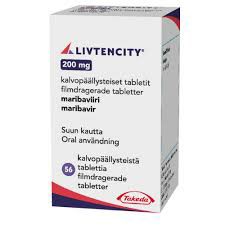
The clinical advantages of maribabavir are not only reflected in the viral clearance rate, but also include its good tolerability and relative safety. Traditional CMV treatment drugs are often associated with the risk of bone marrow suppression or nephrotoxicity, especially in organ transplant patients. Such adverse reactions may aggravate complications. In contrast, the side effects of maribavir are relatively mild, mainly including mild gastrointestinal discomfort, taste changes, headaches, etc. The incidence of serious adverse events is low, making it more operable in long-term clinical management. In addition, the oral administration method of maribavir eliminates the need for long-term intravenous infusion, improving treatment convenience and compliance, which is considered one of its important advantages in clinical practice.
From a treatment strategy point of view, maribabavir is suitable for two types of high-risk patient groups: one is patients whose immune function has not fully recovered after stem cell transplantation and is resistant to traditional antiCMV drugs; the other is patients whose CMV infection is difficult to control or relapses after solid organ transplantation. For these patients, traditional treatments often have problems such as limited efficacy, high risk of drug resistance, or significant adverse reactions. By targeting the UL97 protein mechanism, maribavivir bypasses the obstacle of viral resistance to nucleoside drugs and effectively inhibits viral replication, providing a new option for clinical use.
In addition, the use of maribavivir should be individualized based on the patient's virological monitoring and post-transplant immune status. Patients need to be tested regularly during treatmentCMV DNA levels are used to evaluate drug efficacy and determine treatment duration, while paying attention to potential adverse reactions and changes in liver and kidney function. Clinicians often recommend continuing a course of treatment after viral loads drop or reach undetectable levels to reduce the risk of relapse.
In summary, maribabavir has shown obvious virus clearance advantages in adult patients who have undergone stem cell or organ transplantation and are ineffective for traditionalCMV treatment, and its efficacy is significantly better than existing treatment options. Its oral administration, good tolerance, and mild side effects make it an important drug in the management of refractory CMV infections.
Reference materials:https://www.livtencity.com/
[ 免责声明 ] 本页面内容来自公开渠道(如FDA官网、Drugs官网、原研药厂官网等),仅供持有医疗专业资质的人员用于医学药学研究参考,不构成任何治疗建议或药品推荐。所涉药品可能未在中国大陆获批上市,不适用于中国境内销售和使用。如需治疗,请咨询正规医疗机构。本站不提供药品销售或代购服务。


