
.jpeg)
Safety assessment and potential risk analysis of long-term use of Bikken Pronol Tablets (Bituvi)
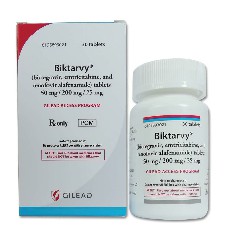
Biktarvy (Biktarvy) is a combined antiviral oral tablet, consisting of Bictegravir (Bictegravir), emtricitabine (Emtricitabine) and tenofovir alafenamide (Tenofovir alafenamide, TAF), used for the treatment of HIV-1 infection in adults. As a triple fixed-dose combination drug, Biktarvy has shown high safety and efficacy in long-term use, but there are still potential risks, and scientific long-term monitoring and management are required to ensure drug safety.
First, Biktarvy ’s long-term virological suppression effect is very stable. Clinical studies and real-world data show that the vast majority of patients can sustain undetectable viral loads after long-term use of Biktarvy, meaning that HIV replication is well controlled. Phase III clinical trials and their extension studies have shown that the incidence of drug-resistant mutations in patients who take Biktarvy for a long time is extremely low, and even if drug-resistant related risks occur during treatment, they are mostly controllable or temporary. This stable antiviral effect is of great significance in preventing disease progression, delaying the decline of immune function, and reducing the occurrence of opportunistic infections, and is the basis for long-term management of HIV .
However, long-term use Biktarvy is also associated with some metabolic and weight-related risks. Studies have shown that HIV patients using Biktarvy may experience weight gain during treatment, which is related to immune reconstitution after viral suppression and changes in basal metabolism. Although modest weight regain reflects improved physical health to some extent, some patients may experience excessive weight gain, which increases the risk of metabolic syndrome, diabetes, and cardiovascular disease. Therefore, patients should regularly monitor their weight, blood sugar, and blood lipids during long-term medication, and conduct lifestyle intervention as needed, including a reasonable diet and moderate exercise, to reduce metabolic risks.
In addition, Biktarvy Tenofovir TAF Although it is an older version TDF It is safer for the kidneys and bones, but it is still necessary to pay attention to long-term changes in kidney function and bone density. During long-term use, some patients may experience a slight increase in serum creatinine or a decrease in bone density, especially those with original risk of renal impairment or osteoporosis. Therefore, doctors usually recommend regular review of renal function indicators such as serum creatinine, glomerular filtration rate (eGFR) and bone density examination when necessary during long-term treatment, so as to detect abnormalities in time and adjust treatment plans to ensure patient medication safety.
Liver function is also an aspect that needs to be focused on during long-term medication use. For patients co-infected with HIV / Hepatitis B (HBV), discontinuation of Biktarvy may cause hepatitis B virus reactivation, leading to acute liver injury. Therefore, caution must be exercised when discontinuing medication or changing regimens, and a gradual transition must be made under the guidance of a physician. At the same time, during long-term use, it is also necessary to regularly monitor liver function indicators, including ALT, AST and total bilirubin, to detect abnormalities in time and take intervention measures to prevent the occurrence of serious liver complications.
In terms of adverse reactions, Biktarvy is generally well tolerated after long-term use, but some patients may experience mild to moderate side effects, such as headache, diarrhea, nausea, fatigue, etc. Most of these adverse reactions are self-limiting, but if they persist for a long time or significantly affect the quality of life, symptomatic treatment or dosage adjustment must be evaluated under the guidance of a doctor. In addition, Biktarvy contains bictegravir, an integrase inhibitor. Long-term use has not shown serious cardiovascular toxicity, but patients’ past history of cardiovascular disease still needs to be paid attention to.
Long-term medication safety is also closely related to patient compliance. Regular medication can not only maintain viral suppression but also reduce the risk of drug resistance. Patients should strictly follow the doctor's instructions to take it on time every day, and do not miss doses or adjust the dosage on their own. At the same time, they should regularly review viral load, CD4 cell count, liver and kidney function and metabolic indicators. Doctors should promptly optimize treatment plans based on review results to ensure simultaneous improvement in efficacy and safety.
In general, Biktarvy long-term use is generally safe and can effectively maintain viral suppression and improve immune function, but it is still necessary to pay attention to potential risks such as weight metabolism, kidney function, bone density, and liver function. Through regular follow-up, scientific monitoring of indicators, reasonable management of lifestyle, and following doctor's guidance, patients can achieve sustained efficacy and minimize the occurrence of adverse events during long-term medication. Establishing a long-term follow-up mechanism and individualized management plan is the key to ensuring the safe and effective use of Biktarvy and is also an important guarantee for HIV patients to achieve long-term health management.
Reference materials:https://www.drugs.com/
[ 免责声明 ] 本页面内容来自公开渠道(如FDA官网、Drugs官网、原研药厂官网等),仅供持有医疗专业资质的人员用于医学药学研究参考,不构成任何治疗建议或药品推荐。所涉药品可能未在中国大陆获批上市,不适用于中国境内销售和使用。如需治疗,请咨询正规医疗机构。本站不提供药品销售或代购服务。


