
.jpeg)
Differences between entacapone/cordan and selegiline
In the long-term treatment of Parkinson's disease, how to prolong the efficacy of levodopa and reduce symptom fluctuations is a core issue repeatedly discussed in the international neurology field. Although Entacapone () and Selegiline (Selegiline) are both commonly used in the treatment of Parkinson's disease, they have essential differences in their mechanism of action, clinical positioning and applicable stages. Understanding this difference can help patients and their families develop a clearer understanding when faced with complex medication regimens.
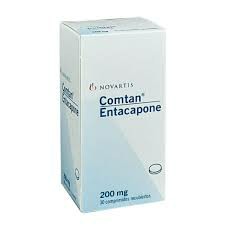
From a pharmacological mechanism perspective, entacapone is a catechol-O-methyltransferase (COMT) inhibitor, and its main effect occurs in the periphery. Before levodopa enters the brain, it is easily metabolized and inactivated by various enzymes in the periphery. Entacapone reduces the decomposition of levodopa in the periphery by inhibiting COMT activity, thereby increasing the proportion of levodopa entering the central nervous system. Because of this characteristic, entacapone itself does not directly improve Parkinson's symptoms, but is used as an "auxiliary drug" for levodopa to extend its efficacy time, smooth the "switching phenomenon", and improve end-of-dose fluctuations.
In contrast, the target of selegiline is mainly located in the central nervous system. Selegiline is a selective monoamine oxidaseB (MAO-B) inhibitor that increases the availability time of effective dopamine by inhibiting the degradation process of dopamine in the brain. This mode of action allows selegiline to be used alone in the early stages of the disease. When some patients have mild initial symptoms, they may be able to obtain certain symptom relief by relying solely on selegiline. Therefore, from the perspective of treatment stage, selegiline is more often regarded as an "early available drug", while entacapone is often added in the later stages of levodopa treatment when symptoms fluctuate significantly.
In terms of clinical use logic, the positioning differences between the two are also very clear. Entacapone usually must be used in combination with levodopa preparations, and its value lies in optimizing the existing treatment plan rather than exerting an independent effect; selegiline has greater flexibility and can be used alone or in combination with levodopa to reduce the recurrence of symptoms caused by the breakdown of dopamine. Overseas guidelines generally emphasize that the two drugs are not "mutually substituted", but are complementary options for different treatment needs.
From the perspective of adverse reaction characteristics, the differences are also worthy of attention. Because entacapone acts on peripheral metabolism, some patients may experience changes in urine color, gastrointestinal discomfort, etc. during use. Such reactions are mostly related to metabolites. Since selegiline acts on the central nervous system, it may affect sleep rhythms or cause mild excitement in individual patients, so the medication schedule usually needs to be more cautious.
In general, the core difference between entacapone and selegiline is"One prolongs the peripheral effectiveness of levodopa, and the other prolongs the duration of central dopamine action." The two play different roles in the Parkinson's disease treatment system. Reasonable selection is not a simple comparison of advantages and disadvantages, but a comprehensive judgment based on the disease stage, symptom characteristics and individual tolerance. This differentiated positioning is also an important manifestation of the modern personalized treatment concept of Parkinson's disease.
Reference materials:https://www.drugs.com/mtm/comtan.html
[ 免责声明 ] 本页面内容来自公开渠道(如FDA官网、Drugs官网、原研药厂官网等),仅供持有医疗专业资质的人员用于医学药学研究参考,不构成任何治疗建议或药品推荐。所涉药品可能未在中国大陆获批上市,不适用于中国境内销售和使用。如需治疗,请咨询正规医疗机构。本站不提供药品销售或代购服务。


