
.jpeg)
Indications for fezolinetant
Fezolinetant is an innovative drug that has received great attention in the field of international menopausal management in recent years. Its core positioning is not in the traditional hormone replacement treatment path, but works through a new central nervous system regulation mechanism. This drug is a neurokinin 3 (NK3) receptor antagonist. Its main target is located in the hypothalamic temperature regulation center. It is closely related to the disorder of nerve signals caused by fluctuations in estrogen levels in menopausal women. Judging from overseas research and clinical application trends, the scope of indications for filazonatant is clearly focused, with its core use being used to relieve moderate to severe vasomotor symptoms related to menopause.
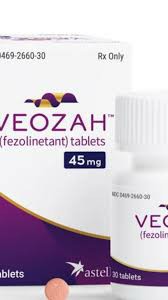
Vasomotor symptoms are one of the most common problems that affect the quality of life of perimenopausal and postmenopausal women. Typical symptoms include hot flashes, night sweats, sudden facial or upper body fever, accompanying heart palpitations, sleep disorders, etc. Traditional treatments mostly rely on estrogen or combined hormone regimens, but not all women are suitable for hormone therapy, especially those with risk of breast disease, thrombophilia or poor tolerance to hormones. The emergence of filazonetant provides this group of patients with a new option of "non-hormonal treatment".
From a mechanism level, fizonatant does not directly interfere with sex hormone levels, but regulates the abnormal excitability of KNDy neurons by inhibitingNK3 receptors, thereby indirectly stabilizing the threshold of the body temperature control center. This pathway of action gives it a targeted advantage in alleviating the frequency and intensity of hot flashes, while also reducing the systemic impact of hormone fluctuations. In overseas guidelines and academic discussions, fezonatant is classified more as a "targeted neuromodulation treatment for vasomotor symptoms of menopause" rather than an endocrine drug in the traditional sense.
At present, the indications of fezonatant have not been extended to other menopausal-related problems such as mood disorders, osteoporosis or genitourinary atrophy, and its clinical positioning is relatively specific.
Reference materials:https://www.veozah.com/
[ 免责声明 ] 本页面内容来自公开渠道(如FDA官网、Drugs官网、原研药厂官网等),仅供持有医疗专业资质的人员用于医学药学研究参考,不构成任何治疗建议或药品推荐。所涉药品可能未在中国大陆获批上市,不适用于中国境内销售和使用。如需治疗,请咨询正规医疗机构。本站不提供药品销售或代购服务。


