
.jpeg)
Does long-term use of cabergoline cause excessive gastric acid secretion?
Cabergoline (Cabergoline) is a dopamine D2 receptor agonist, mainly used to treat prolactinemia, pituitary tumors and related endocrine diseases. Its mechanism of action is mainly through activating dopamine receptors in the anterior lobe of the pituitary gland, inhibiting prolactin secretion, thereby improving related symptoms. However, because dopamine is also involved in regulating gastric acid secretion in the digestive system, whether long-term cabergoline use will cause hyperacidity has been a subject of clinical concern.
Current clinical studies and patient feedback show that cabergoline causes a significant increase in gastric acid secretion in rare cases. Most patients will not experience obvious symptoms of hyperacidity or acid reflux during long-term use. However, some patients may experience mild indigestion, nausea, or stomach discomfort due to drug stimulation of the gastrointestinal tract. This is less related to increased gastric acid secretion and more likely to be related to the drug's regulatory effect on the central nervous system and gastrointestinal motility.
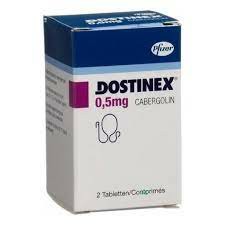
If a patient develops symptoms such as heartburn, acid reflux, or indigestion during long-term medication, timely intervention measures should be taken. You can take gastric mucosal protectors or antacids under the guidance of a doctor, and avoid irritating foods such as spicy, fried and caffeinated drinks. Eating small portions in small portions can also help relieve an upset stomach. In addition, taking medication strictly in accordance with the doctor's prescribed dosage and avoiding overdose can also reduce the risk of gastrointestinal discomfort.
In general, long-term use of cabergoline generally does not significantly cause excessive gastric acid secretion, but individual differences may lead to mild gastrointestinal discomfort. Patients should pay attention to their own digestive system reactions, follow up regularly and report abnormal symptoms to their doctor. Through rational use of medication and daily dietary management, most patients can safely tolerate long-term treatment with cabergoline, while achieving the effects of controlling prolactin levels and improving their condition.
Reference materials:https://www.fda.gov/
[ 免责声明 ] 本页面内容来自公开渠道(如FDA官网、Drugs官网、原研药厂官网等),仅供持有医疗专业资质的人员用于医学药学研究参考,不构成任何治疗建议或药品推荐。所涉药品可能未在中国大陆获批上市,不适用于中国境内销售和使用。如需治疗,请咨询正规医疗机构。本站不提供药品销售或代购服务。


