
.jpeg)
Fezolinetant shows significant improvements in vasomotor symptoms and sleep
New preliminary results from the OPTION-VMS Phase 4 observational study show that fezolinetant significantly improved vasomotor symptoms (VMS), sleep quality and daily functioning in postmenopausal women in a real-world setting. Provides first insight into the practical use of the non-hormonal neurokinin 3 (NK3) receptor antagonist fezonetantan.
1. Study design and patient population
The OPTION-VMS study (NCT06049797) is an ongoing, longitudinal, real-world, non-comparative Phase 4 study of women aged 40 to 75 years with confirmed menopausal VMS who receive non-hormonal therapies to treat hot flashes and night sweats. The primary objective was to assess changes in VMS distress over 12 weeks in women starting non-hormonal treatments.
In the United StatesOf 998 women enrolled at 50 sites, 761 initiated nonhormonal therapy and 656 met complete analysis criteria. Among them, 201 women took filazonastat. Researchers assessed changes from baseline at weeks 4, 8 and 12 using validated patient-reported outcomes, including the Menopause-Specific Quality of Life (MENQOL) Questionnaire and PROMIS Sleep Disorders Short Form 8b (PROMIS SD SF 8b). Objective sleep measurements were also recorded using an actigraph (ActiGraph LEAP).
2. Improve vasomotion and sleep outcomes
Women treated with fezonatant showed statistically significant improvements in menopause-related VMS issues, as demonstrated by reductions in MENQOL VMS domain scores at week 12, the study's primary endpoint, and at weeks 4 and 8. Fezonatantuse was also associated with significant improvements in MENQOL total scores and sexual, psychosocial and physical domains, reflecting improvements in overall menopause-related quality of life.
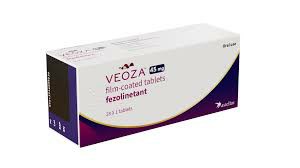
Fezonatanttreatment improved objective and subjective sleep measures. Actigraphy results showed a statistically significant decrease in wakefulness after sleep onset and an increase in sleep efficiency at weeks 4, 8 and 12. The PROMIS SD SF 8b score, which represents patient-reported sleep quality, also improved significantly across all time points.
These preliminary findings strengthen the evidence that fezonitant is an effective treatment for the damaging vasomotor symptoms associated with menopause. Except as early as Chapter In addition to significant reductions in bothersome VMS in just 4 weeks, women reported improvements in sleep, productivity, and daily functioning.
3. Safety and Tolerability
The low incidence of treatment-related adverse events with nonazonatant was consistent with findings from previous clinical trials and postmarketing experience. No new safety signals were observed in preliminary analyses.
4. Impact on daily functions and productivity
Fezolinent treatment also significantly improved patient-reported activity impairment and work productivity according to the Work Productivity and Activity Impairment Questionnaire (WPAI-VMS) for VMS. Participants reported improvements in overall productivity, mobility impairment, and attendance.
These new preliminary findings reinforce Astellas's commitment to advancing our understanding of fezonitant beyond pivotal clinical trials, with the goal of making a meaningful difference to those affected by VMS. Hot flashes and night sweats are among the most common and devastating symptoms of menopause, and if left untreated, they can seriously impair sleep, concentration, and daily functioning
5. Clinical background
Vasomotor symptoms, commonly described as hot flashes and night sweats, affect most women undergoing the menopausal transition and can have a profound impact on quality of life, including sleep disturbances and occupational functioning. Previous randomized controlled trials have shown that filazonatant is effective in reducing the frequency and severity of VMS, and these new real-world data reinforce those findings in a broader patient population.
OPTION-VMS preliminary results provide real-world evidence supporting fezonitant as a safe and effective non-hormonal option for the treatment of vasomotor symptoms of menopause. There were improvements not only in VMS distress, but also in sleep, quality of life, and productivity.
References: Updated onOctober 23, 2025, https://www.contemporaryobgyn.net/view/fezolinetant-shows-significant-real-world-improvements-in-vasomotor-symptoms-sleep
[ 免责声明 ] 本页面内容来自公开渠道(如FDA官网、Drugs官网、原研药厂官网等),仅供持有医疗专业资质的人员用于医学药学研究参考,不构成任何治疗建议或药品推荐。所涉药品可能未在中国大陆获批上市,不适用于中国境内销售和使用。如需治疗,请咨询正规医疗机构。本站不提供药品销售或代购服务。


