
.jpeg)
Tucatinib/Tucatinib is a targeted drug or chemotherapy drug
In the field of tumor treatment, many patients with breast cancer and colorectal cancer tend to collectively refer to oral anti-tumor drugs as "chemotherapy drugs." However, from the perspective of its mechanism of action, Tucatinib is not a chemotherapy drug in the traditional sense, but a typical molecular targeted therapy drug.
The main feature of chemotherapy drugs is to produce extensive killing effects on rapidly proliferating cells by interfering with cell division orDNA synthesis. This mode of action lacks specificity and affects not only tumor cells, but also normal tissues such as bone marrow, digestive tract mucosa, and hair follicles. Therefore, it is often accompanied by systemic side effects such as hair loss and severe bone marrow suppression.
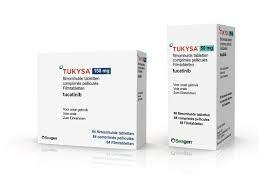
In contrast, tucatinib’s mechanism of action is highly targeted. It selectively inhibits the tyrosine kinase activity of the HER2 receptor and blocks key signaling pathways that tumor cells rely on, thereby inhibiting tumor growth and spread. This "precise intervention" mainly affects HER2-positive tumor cells and has relatively little impact on normal cells.
From the perspective of pharmacological classification, tucatinib is a small molecule tyrosine kinase inhibitor and is an important component of the HER2 targeted therapy system. Its clinical use is usually combined with anti-HER2 monoclonal antibodies or chemotherapy drugs to achieve synergistic inhibition of multiple pathways, but this does not change its essential properties as a "targeted drug".
Tucatinib is also significantly different from traditional chemotherapy in terms of adverse reaction spectrum. Its side effects are more related to the regulation of target-related signaling pathways rather than cytotoxicity. This is also one of the important reasons why targeted therapies are relatively dominant in terms of tolerance.
To sum up, tucatinib is a clear targeted drug, not a chemotherapy drug. A correct understanding of this point can help patients establish reasonable treatment expectations, reduce misunderstandings about targeted therapy, and view the balance between efficacy and safety more rationally during long-term treatment.
Reference materials:https://www.tukysa.com/
[ 免责声明 ] 本页面内容来自公开渠道(如FDA官网、Drugs官网、原研药厂官网等),仅供持有医疗专业资质的人员用于医学药学研究参考,不构成任何治疗建议或药品推荐。所涉药品可能未在中国大陆获批上市,不适用于中国境内销售和使用。如需治疗,请咨询正规医疗机构。本站不提供药品销售或代购服务。


