
.jpeg)
What are the possible adverse reactions of Obeticholic acid?
Obeticholic acid has shown significant efficacy in the treatment of primary biliary cholangitis (PBC), but there is still a certain risk of adverse reactions during use, which requires high attention from clinicians and patients. The most common adverse reactions include itching, digestive discomfort, and changes in liver function indicators. Itching is one of the common symptoms in patients with PBC, and obeticholic acid treatment may aggravate or induce mild to moderate itching. This condition can often be alleviated by adjusting the timing of the medication, dividing the dose, or supplementing it with an antihistamine. Digestive system discomfort may manifest as mild nausea, diarrhea or indigestion, but generally does not affect the continued use of the drug, and most symptoms can be gradually relieved during the course of medication.
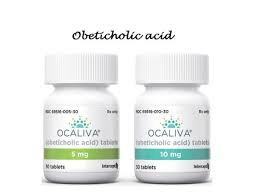
In terms of laboratory indicators, obeticholic acid may cause mild fluctuations in serum bilirubin, alkaline phosphatase (ALP) and transaminases. Patients with high doses or impaired liver function are more likely to experience elevated ALT and AST, suggesting that liver function needs to be closely monitored clinically, especially in the early stages of treatment and dose adjustment. For patients with compensated cirrhosis, hepatic reserve should be assessed and dosage adjusted based on liver function status to reduce potential risks. Long-term follow-up shows that most adverse reactions can be controlled and reversible through individualized dose adjustment and standardized monitoring.
In addition, adverse effects of obeticholic acid may also include changes in blood lipids and bile acid levels. In some patients, rapid regulation of bile acid metabolism may cause temporary elevation of bilirubin or mild dyslipidemia, so regular follow-up is required to detect relevant indicators. In overseas clinical trials, obeticholic acid's adverse events were mostly mild to moderate and can be managed by adjusting the dose, extending the observation period, or using adjuvant therapy. Although serious adverse reactions are rare, they include possible worsening of liver function or aggravation of cholestasis. Therefore, doctors usually conduct regular monitoring during the initial treatment and follow-up stages to ensure the safety of medication.
Reference materials:https://en.wikipedia.org/wiki/Obeticholic_acid
[ 免责声明 ] 本页面内容来自公开渠道(如FDA官网、Drugs官网、原研药厂官网等),仅供持有医疗专业资质的人员用于医学药学研究参考,不构成任何治疗建议或药品推荐。所涉药品可能未在中国大陆获批上市,不适用于中国境内销售和使用。如需治疗,请咨询正规医疗机构。本站不提供药品销售或代购服务。


