
.jpeg)
Analysis of which four types of people should not take Anamorelin
Anamorelin (Anamorelin) is a growth hormone secretory receptor type 1a (GHS-R1a) agonist, mainly used to improve cachexia symptoms caused by cancer, especially symptoms such as loss of appetite, weight loss, and muscle atrophy. It helps patients improve their physical condition by activating the appetite center in the brain, increasing appetite, and promoting food intake and weight gain. However, although anamorelin has significant benefits for many patients, not all patients are candidates for this drug. The following are four types of patient groups who should not use anamorelin. Understanding these contraindications can help patients avoid unnecessary risks before taking the drug.
1. Patients who have difficulty taking food orally or have poor digestion and absorption of food
Anamorelin's mechanism of action relies on its stimulation of appetite and food intake. When the patient's gastrointestinal function is normal, anamulin can effectively improve the patient's appetite and weight. However, for those patients who have difficulty with food intake or maldigestion and absorption, the use of anamorelin may not achieve the desired effect. Especially in some gastrointestinal diseases, such as gastrointestinal ulcers, malignant tumors invading the gastrointestinal tract, or other conditions affecting the digestive system, the patient's digestion and absorption function has been damaged, and the appetite-enhancing effect of anamulin may not be obvious, and may even cause discomfort. Therefore, anamorelin should not be used in patients with oral administration difficulties or poor food digestion and absorption, and treatment methods to improve digestive function should be given priority.
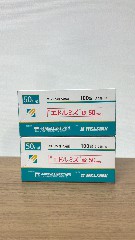
2. Patients with severe liver and kidney dysfunction
Anamorelin, as an agonist, mainly exerts its effects through the brain, but its metabolism involves the liver and kidneys. In those patients with severe hepatic dysfunction or renal insufficiency, the metabolism of anamorelin may be affected, causing accumulation of the drug in the body, thereby increasing the risk of adverse reactions. Patients with hepatic and renal insufficiency may have slow drug metabolism, resulting in high drug concentrations in the blood, thereby increasing drug toxicity or side effects. Therefore, the use of anamorelin should be avoided in these patients unless with strict medical monitoring and dose adjustment.
3. Pregnant and lactating women
Although anamorelin has a clear effect on improving cachexia, its safety in pregnant and lactating women has not been fully verified. Existing animal experiments and clinical data indicate that the use of anamorelin during pregnancy may cause potential risks to the fetus or newborn. Although such studies are small, there is still insufficient evidence to show that it is completely safe for pregnant or lactating women. Therefore, the use of anamorelin should be avoided in pregnant and nursing women, especially when no clear indication is available. If this drug is indeed used, it must be done under strict supervision by a doctor who evaluates its potential risks and benefits.
4. Patients allergic to anamulin or its components
Like other medications, anamorelin may trigger allergic reactions, especially in those who are allergic to the ingredients in the medication. Common allergic reactions may include symptoms such as rash, difficulty breathing, and swelling of the face or throat. In clinical practice, if a patient develops the above allergic reaction when using anamorelin for the first time, he should stop taking the drug immediately and seek emergency medical help. Patients who are allergic to anamorelin or any of its components should avoid use of this medication to prevent the occurrence of a serious allergic reaction. Before use, doctors usually advise patients to disclose any known allergies to ingredients in the drug.
Reference materials:https://pmc.ncbi.nlm.nih.gov/articles/PMC4677053/
[ 免责声明 ] 本页面内容来自公开渠道(如FDA官网、Drugs官网、原研药厂官网等),仅供持有医疗专业资质的人员用于医学药学研究参考,不构成任何治疗建议或药品推荐。所涉药品可能未在中国大陆获批上市,不适用于中国境内销售和使用。如需治疗,请咨询正规医疗机构。本站不提供药品销售或代购服务。


