
.jpeg)
Application of everolimus/Afinitor in the treatment of bone metastasis of breast cancer
Among patients with hormone receptor-positive advanced breast cancer, bone metastasis is an extremely common and clinically complex problem that not only affects the quality of life but also significantly increases the risk of bone-related events. Everolimus (Everolimus), as an mTOR pathway inhibitor, its application in breast cancer bone metastasis has gradually extended from "controlling tumor progression" to the comprehensive management level of "improving the bone microenvironment". Overseas research shows that the mTOR signaling pathway plays a key role in the interaction between tumor cells and the bone microenvironment. Abnormal activation of this pathway can promote the enhancement of osteoclast activity, thereby accelerating bone destruction.
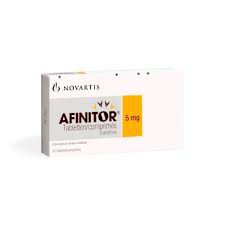
The BOLERO-2 study provides important evidence for the potential value of everolimus in the management of bone metastases. The study results suggest that in the early stages of treatment, everolimus combined with exemestane can not only delay tumor progression, but also reduce the levels of multiple bone turnover markers, indicating that bone metabolism is in a relatively stable state. This discovery prompted the academic community to re-examine the significance of targeted therapy in the dual dimensions of "anti-tumor + bone protection". Compared with endocrine therapy alone, the combination regimen showed a more positive trend in reducing the risk of new bone metastases, which is particularly important for patients after endocrine resistance.
It is worth noting that long-term endocrine therapy itself may increase the risk of bone density loss, and whether everolimus will amplify or alleviate this problem has been the focus of discussion among overseas scholars. Judging from the existing data, everolimus does not directly cause bone loss, but its effect on bone metabolism is more biased towards regulating the abnormal bone remodeling process related to tumors. When used sequentially or in combination with non-steroidal aromatase inhibitors, clinical practice places more emphasis on bone density monitoring and basic bone health management, rather than denying its value simply due to drug use.
References:https://www.cancertherapyadvisor.com/news/bolero-2-everolimus-exemestane-reduce-bone-metastasis-in-advanced-breast-cancer/
[ 免责声明 ] 本页面内容来自公开渠道(如FDA官网、Drugs官网、原研药厂官网等),仅供持有医疗专业资质的人员用于医学药学研究参考,不构成任何治疗建议或药品推荐。所涉药品可能未在中国大陆获批上市,不适用于中国境内销售和使用。如需治疗,请咨询正规医疗机构。本站不提供药品销售或代购服务。


