
.jpeg)
Clinical verification of the uric acid-lowering effect of Febuxostat/Febuxostat
Febuxostat (Febuxostat) is a drug used to treat hyperuricemia (the main cause of gout). It reduces uric acid levels in the blood by inhibiting the production of uric acid, thereby relieving gout symptoms. Febuxostat is a xanthine oxidase (Xanthine Oxidase,
The uric acid-lowering effect of febuxostat is achieved by inhibiting the activity of xanthine oxidase (XO), a key enzyme. Xanthine oxidase is responsible for catalyzing an important step in purine metabolism, ultimately converting purine into uric acid. Febuxostat reduces the production of uric acid by selectively inhibiting xanthine oxidase, thereby reducing the level of uric acid in the blood, effectively preventing the accumulation of urate crystals in joints, and reducing gout attacks.
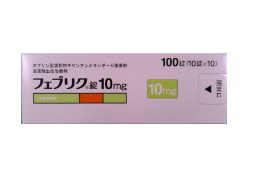
The clinical uric acid-lowering effect of febuxostat has been confirmed by multiple clinical trials. In clinical studies, febuxostat has shown good uric acid-lowering effects and has been widely used in the treatment of chronic hyperuricemia patients with gout. Compared with the traditional urate-lowering drug allopurinol, febuxostat has a stronger urate-lowering effect, especially for those patients who are ineffective in allopurinol treatment or cannot tolerate the side effects of allopurinol, febuxostat provides an effective alternative.
In a randomized controlled clinical trial, febuxostat was shown to significantly reduce serum uric acid levels, and the uric acid-lowering effect was long-lasting. According to trial data, most patients treated with febuxostat saw significant reductions in serum uric acid levels within weeks of treatment. The efficacy of febuxostat is not only reflected in lowering uric acid levels, but also effectively reduces the frequency of gout attacks and improves patients' quality of life.
Although febuxostat has significant efficacy in lowering uric acid, its use also carries certain risks, especially in terms of cardiovascular health. Studies suggest that febuxostat may increase the risk of cardiovascular death compared with allopurinol. This finding prompted the FDA (U.S. Food and Drug Administration) to regulate the use of febuxostat more strictly. The FDA has recommended that febuxostat should be used only in patients with poor efficacy of allopurinol or in patients with severe side effects caused by allopurinol, and is not recommended for the treatment of patients with asymptomatic hyperuricemia.
In addition, common side effects of febuxostat include abnormal liver function, nausea, headache, and rash. Abnormalities in liver function are of particular concern, therefore regular liver function tests are recommended during treatment with febuxostat. For patients with impaired hepatic function, febuxostat should be used with caution and the dose should be adjusted or other treatment options selected according to physician recommendations.
In view of the possibility that febuxostat may increase the risk of cardiovascular death,the FDA has imposed corresponding restrictions on its use. Febuxostat is not recommended in patients with asymptomatic hyperuricemia because this condition is not directly related to gout and does not require urate-lowering therapy. Febuxostat is mainly used to treat patients with hyperuricemia and gout symptoms, especially those who are intolerant to allopurinol or unable to obtain effective treatment.
Reference materials:https://go.drugbank.com/drugs/DB04854
[ 免责声明 ] 本页面内容来自公开渠道(如FDA官网、Drugs官网、原研药厂官网等),仅供持有医疗专业资质的人员用于医学药学研究参考,不构成任何治疗建议或药品推荐。所涉药品可能未在中国大陆获批上市,不适用于中国境内销售和使用。如需治疗,请咨询正规医疗机构。本站不提供药品销售或代购服务。


