
.jpeg)
Will symptoms rebound after discontinuing decavatinib?
Whether symptoms will rebound after stopping deuterated colexitinib (Deucravacitinib) is one of the most concerning issues for patients when treating psoriasis or other immune-related diseases. The drug exerts anti-inflammatory and immunomodulatory effects by selectively inhibiting the TYK2 signaling pathway, so it can effectively reduce skin lesions, itching and inflammatory reactions. Since its mechanism is to "control inflammation" rather than fundamentally cure the disease, when the drug is withdrawn, the body's immune response may gradually recover, and inflammation may become active again, which provides a theoretical basis for rebound or resurgence of the disease. However, rebound is not inevitable and will vary significantly from patient to patient.
From the perspective of clinical studies, there are currently limited data on deuterated coxitinib after discontinuation. However, based on existing trials and experience with similar drugs, it can be inferred that most patients will experience a certain degree of symptomatic regression after discontinuation, but "acute and severe rebound" rarely occurs. Compared with traditional immunosuppressants or powerful topical hormones, the rebound phenomenon of TYK2 inhibitors is relatively mild, and disease activity usually recovers gradually over weeks to months rather than worsening rapidly. Some patients with mild or moderate symptoms can still maintain stability for a period of time after stopping the drug, which is related to the individual's immune status, skin lesion area, and the length of the treatment cycle.
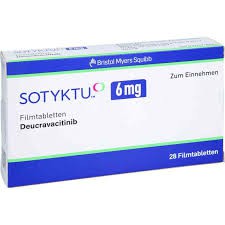
It is important to note that if a patient achieves good improvement in skin lesions during treatment with colexitinib, but the course of treatment is short and the underlying inflammation is not fully controlled, then the disease is more likely to relapse after discontinuation of treatment. In addition, combined infections, stress, disordered work and rest, and damaged skin barrier may also accelerate the recurrence of symptoms. Therefore, doctors usually recommend maintaining a sufficient treatment cycle rather than stopping the drug immediately when symptoms improve slightly, otherwise a faster rebound is more likely to occur.
In general, there is a probability of rebound after discontinuation of deuterocelexitinib, but most are mild to moderate and can be quickly controlled by restarting the drug or using other alternatives. Patients do not need to be afraid to use the drug for fear of rebound, but they should discuss the discontinuation plan with their doctor in advance and choose a "gradual withdrawal" or "maintaining a lower dose" strategy according to their condition. If skin lesions worsen, itching intensifies, or new areas of inflammation appear after stopping the drug, you should seek medical treatment promptly and adjust the treatment. It is not recommended to stop the drug repeatedly or increase the dosage on your own, so as not to affect long-term efficacy and disease management.
Reference materials:https://www.drugs.com/newdrugs/fda-approves-promacta-eltrombopag-first
[ 免责声明 ] 本页面内容来自公开渠道(如FDA官网、Drugs官网、原研药厂官网等),仅供持有医疗专业资质的人员用于医学药学研究参考,不构成任何治疗建议或药品推荐。所涉药品可能未在中国大陆获批上市,不适用于中国境内销售和使用。如需治疗,请咨询正规医疗机构。本站不提供药品销售或代购服务。


