
.jpeg)
Sereptinib/Serpatinib (Ruitu) clinical trial results and data interpretation
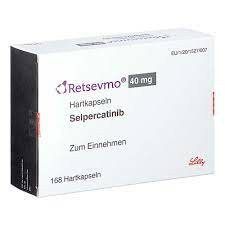
Selpercatinib is a targeted therapy drug, mainly used to treat non-small cell lung cancer (NSCLC) and thyroid cancer etc. that carry RET gene mutations. The drug is a small molecule tyrosine kinase inhibitor that can specifically inhibit the activity of RET (rearranged during transfection) kinase and block tumor cell proliferation and growth signals caused by RET gene mutations. RET gene mutations can occur in a variety of cancers, especially non-small cell lung cancer and thyroid cancer, making seputinib an important treatment option for these patients.
Clinical studies of seputinib include multiple pivotal trials targeting different types of tumors. Among them, the most famous one is the LIBRETTO-001 trial, which is a global multi-center, single-arm phase II clinical trial designed to evaluate the efficacy of seputinib in patients with advanced NSCLC carrying RET mutations. The trial results showed that in patients with advanced non-small cell lung cancer who had previously received chemotherapy, the objective response rate (ORR) of seputinib reached 64%, which is significantly higher than the effect of traditional treatment methods. In addition, patients' progression-free survival (PFS) and overall survival (OS) were also significantly improved, further confirming the therapeutic potential of seputinib in this patient population.
 、
、
The efficacy of Seputinib is not limited to non-small cell lung cancer, but also extends to a variety of cancers related to RET gene mutations, especially thyroid cancer. In part of the LIBRETTO-001 trial, seprotinib showed excellent efficacy in patients with RET-mutated medullary thyroid cancer (MTC), particularly those with advanced, inoperable disease. The results of the study showed that the objective response rate (ORR) of seputinib in patients with medullary thyroid cancer was 69%, and it showed good results in the treatment of different cancer subtypes. These clinical data provide strong support for seputinib to become a key drug for the treatment of cancers related to RET gene mutations.
In addition to its efficacy, the safety of seputinib has also received widespread attention. In the LIBRETTO-001 trial, the side effects of seputinib were generally controllable. The most common adverse reactions included dry mouth, diarrhea, fatigue, and abnormal liver function. Most of these adverse reactions are mild to moderate and can be managed and relieved with continued treatment. It is particularly noteworthy that although seputinib may cause an increase in some liver function indicators, most of these phenomena are reversible, and after appropriate dose adjustment, the patient's liver function performance is improved.
It is worth mentioning that seputinib has also demonstrated efficacy against other diseasesThe therapeutic potential of RET-related mutations, especially for patients harboring specific genetic mutations, such as RET fusion mutations. Efficacy studies on these patients have shown that seputinib can effectively inhibit the growth of these mutant tumors, providing patients with a new targeted treatment option.
In general, seputinib, as a targeted drug targeting RET gene mutations, has demonstrated significant efficacy and good safety in the treatment of various cancers such as non-small cell lung cancer and thyroid cancer. As more clinical data accumulate, seputinib is expected to become an important treatment option for the treatment of RET mutation-related cancers and lead to better prognosis for patients with these cancers.
Reference:https://en.wikipedia.org/wiki/Selpercatinib
[ 免责声明 ] 本页面内容来自公开渠道(如FDA官网、Drugs官网、原研药厂官网等),仅供持有医疗专业资质的人员用于医学药学研究参考,不构成任何治疗建议或药品推荐。所涉药品可能未在中国大陆获批上市,不适用于中国境内销售和使用。如需治疗,请咨询正规医疗机构。本站不提供药品销售或代购服务。


