
.jpeg)
Relapse rate of tuberculosis treated with Bedaquiline tablets
The anti-tuberculosis drug Bedaquiline Tablets (Bedaquiline) has shown significant efficacy in the treatment of tuberculosis, especially in the treatment of multidrug-resistant tuberculosis (MDR-TB). However, relapse is an important issue in TB treatment because Mycobacterium tuberculosis has the ability to become a latent infection and may reactivate after treatment ends. The following will discuss the recurrence rate of bedaquiline tablets after treating tuberculosis based on clinical experimental data.
Relapse refers to the reappearance of the disease or the reactivation of the germs after TB treatment has ended. Relapse may be caused by incomplete destruction of all tubercle bacilli, development of drug resistance, changes in the patient's individual immune status, or other factors. Understanding relapse rates is critical to assessing the long-term effectiveness of bedaquiline tablets in the treatment of tuberculosis.
According to current clinical trial data, bedaquiline tablets have shown positive effects in reducing the recurrence of tuberculosis. Here are some relevant research results:
1.TMC207-C208 and TMC207-C209 Clinical trials: These two clinical trials are important studies to evaluate the efficacy and safety of bedaquiline tablets in the treatment of multidrug-resistant tuberculosis. According to the trial results, patients who used bedaquiline tablets in combination with standard treatment regimens achieved significant improvements in treatment success rates. Although the focus of these trials is treatment success rates, the data also provide information on recurrence rates.
2.TMC207-C210Clinical trial: This trial is a long-term follow-up study of bedaquiline tablets in the treatment of tuberculosis. One of the study results showed that among patients with multidrug-resistant tuberculosis treated with bedaquiline tablets, the relapse rate after cure was 4.9%. This suggests that bedaquiline tablets have the potential to be effective in reducing the recurrence of tuberculosis.
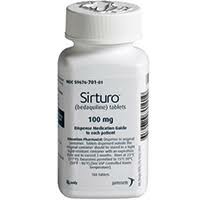
Although the above data show that bedaquiline tablets have some success in reducing tuberculosis recurrence, recurrence rates still exist. The recurrence rate may be affected by a variety of factors, including individual patient conditions, drug resistance of tuberculosis bacteria, completeness of the treatment plan, and patient compliance. Therefore, exact data on recurrence rates may vary between studies and patient groups.
In addition, the evaluation of recurrence rate also needs to consider the time factor. The risk of recurrence is relatively high within a year after TB treatment ends. Therefore, long-term follow-up and monitoring are crucial for cured patients.
It needs to be emphasized that when bedaquiline tablets are used as part of a tuberculosis treatment regimen, the doctor's instructions should be followed and the entire treatment process should be completed. In addition, maintaining a good immune status, preventing transmission and regular follow-up are also important measures to reduce recurrence.
In conclusion, bedaquiline tablets, as a drug for the treatment of multidrug-resistant tuberculosis, have shown positive effects in reducing the recurrence of tuberculosis. Clinical trial data show that using bedaquiline tablets in combination with standard treatment regimens can significantly improve the success rate of treatment. However, relapse is a challenge in TB treatment, and the specific relapse rate may be affected by multiple factors. Therefore, long-term follow-up and monitoring after bedaquiline tablets treatment are crucial to assess the recurrence rate and take necessary measures.
Bedaquiline tablets have been launched in China and have been included in Class B medical insurance. Patients can buy it domestically, but the price is very high. The price of 100mg*24tablets is around 15,000 yuan. For specific prices, please consult the local hospital pharmacy. There are only original drugs abroad, and the more cost-effective ones are Russian original drugs. The price of 100mg*188 tablets is also about 15,000 yuan. The specifications are about 8 times that of domestic ones. Relatively speaking, the price is still very cheap compared to domestic ones. And the ingredients of domestic and foreign original drugs are consistent.
xa0
[ 免责声明 ] 本页面内容来自公开渠道(如FDA官网、Drugs官网、原研药厂官网等),仅供持有医疗专业资质的人员用于医学药学研究参考,不构成任何治疗建议或药品推荐。所涉药品可能未在中国大陆获批上市,不适用于中国境内销售和使用。如需治疗,请咨询正规医疗机构。本站不提供药品销售或代购服务。


