
.jpeg)
Precautions for Sunitinib
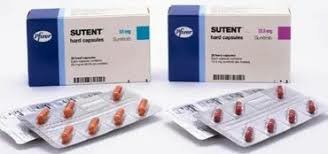
Sunitinib(Sunitinib)Attention should be paid to hepatotoxicity, cardiovascular events, QT interval prolongation and torsade de pointes Tachycardia, hypertension, bleeding events and visceral perforation, tumor lysis syndrome, thrombotic microangiopathy, proteinuria, skin toxicity, reversible posterior leukoencephalopathy syndrome, thyroid dysfunction, hypoglycemia, osteonecrosis of the jaw, impaired wound healing, and other events occurred.
1. Hepatotoxicity: Severe hepatotoxicity may lead to liver failure or death. Less than 1% of patients in clinical trials developed liver failure. Liver failure includes jaundice, elevated transaminases and/or hyperbilirubinemia, as well as encephalopathy, coagulopathy and/or renal failure. Sunitinib should be discontinued in patients who develop severe changes in liver function tests and in patients who develop other signs and symptoms of hepatic failure.
2. Cardiovascular events: including heart failure, cardiomyopathy, myocardial ischemia and myocardial infarction. For patients without clinical evidence of congestive heart failure (CHF) but whose ejection fraction is greater than 20% but less than 50% below the baseline value or below the lower limit of normal (if the baseline ejection fraction is not obtained), sunitinib and /or the dose should be reduced.
3. QT prolongation and torsade de pointes: Monitor patients at higher risk for QT prolongation, including those with a history of QT prolongation, those taking antiarrhythmic drugs, or those with associated pre-existing heart disease, bradycardia, or electrolyte imbalance. Consider periodic ECG and electrolyte monitoring during sunitinib therapy.
4. Hypertension: Monitor baseline blood pressure according to clinical indications. Initiate and/or adjust antihypertensive therapy as appropriate. For grade 3 hypertension, discontinue sunitinib until remission to ≤ grade 1 or baseline, then continue sunitinib at a reduced dose. Patients who develop grade 4 hypertension should discontinue sunitinib.
5. Bleeding events and visceral perforation: Interrupt sunitinib treatment for grade 3 or 4 bleeding events until remission to ≤ grade 1 or baseline, then resume sunitinib treatment at a reduced dose.
6.Tumor lysis syndrome: Tumor lysis syndrome(TLS) has occurred in clinical trials, some fatally, and has been reported in postmarketing experience, primarily in patients with renal cell carcinoma or gastrointestinal stromal tumors.
7. Thrombotic microangiopathy (TMA): includes thrombotic thrombocytopenic purpura and hemolytic uremic syndrome, sometimes leading to renal failure or fatal outcomes, occurring in clinical trials and postmarketing experience with sunitinib alone and in combination with bevacizumab. Sunitinib should be discontinued in patients who develop TMA.
8. Proteinuria: For24-hour urine protein of 3 grams or more, interruptSunitinib and reduce the dose. Sunitinib should be discontinued in patients with nephrotic syndrome or in patients with repeated 24-hour urinary protein levels of 3 g or more despite dose reductions.
9. Skin toxicity: including erythema multiforme (EM), Stevens-Johnson syndrome (SJS) and toxic epidermal necrolysis (TEN). For these serious skin adverse reactions, sunitinib should be permanently discontinued.
10. Reversible posterior leukoencephalopathy syndrome: Patients may experience hypertension, headache, decreased alertness, changes in mental function, and vision loss, including cortical blindness, and patients should discontinue sunitinib.
11. Thyroid dysfunction: There are reports of hyperthyroidism, some of which are accompanied by hypothyroidism. Monitor patients closely for signs and symptoms of thyroid dysfunction, including hypothyroidism, hyperthyroidism, and thyroiditis during sunitinib therapy
12. Hypoglycemia: In the combined safety population, 2% of patients treated with sunitinib developed hypoglycemia. Check baseline blood glucose levels regularly during treatment and after discontinuation of sunitinib.
13. Osteonecrosis of the jaw: Perform oral examinations before starting sunitinib and regularly during sunitinib treatment. Advise patients to practice good oral hygiene habits and, if possible, discontinue sunitinib treatment for at least 3 weeks before scheduled dental surgery or invasive dental procedures.
14. Impaired wound healing: Discontinue sunitinib for at least 3 weeks before elective surgery. Do not give this medication for at least 2 weeks after major surgery and until the wound has completely healed. The safety of resuming sunitinib after resolution of wound healing complications has not been established.
The original sunitinib drug has been launched in China and has entered the scope of Class B medical insurance. SpecificationsThe price of 12.5mg*28 tablets is around RMB 3,500. The original sunitinib drug has also been launched overseas. The price of 12.5mg*7 tablets is around RMB 1,500 (the price may fluctuate due to the exchange rate). There are also generic drugs produced in other countries. The price of 12.5mg*28 tablets produced by an Indian pharmaceutical factory is around RMB 750 (the price may fluctuate due to the exchange rate). The generic drugs produced abroad are basically the same as the original drugs at home and abroad. There may be differences in the prices of different specifications of drugs.
[ 免责声明 ] 本页面内容来自公开渠道(如FDA官网、Drugs官网、原研药厂官网等),仅供持有医疗专业资质的人员用于医学药学研究参考,不构成任何治疗建议或药品推荐。所涉药品可能未在中国大陆获批上市,不适用于中国境内销售和使用。如需治疗,请咨询正规医疗机构。本站不提供药品销售或代购服务。


